
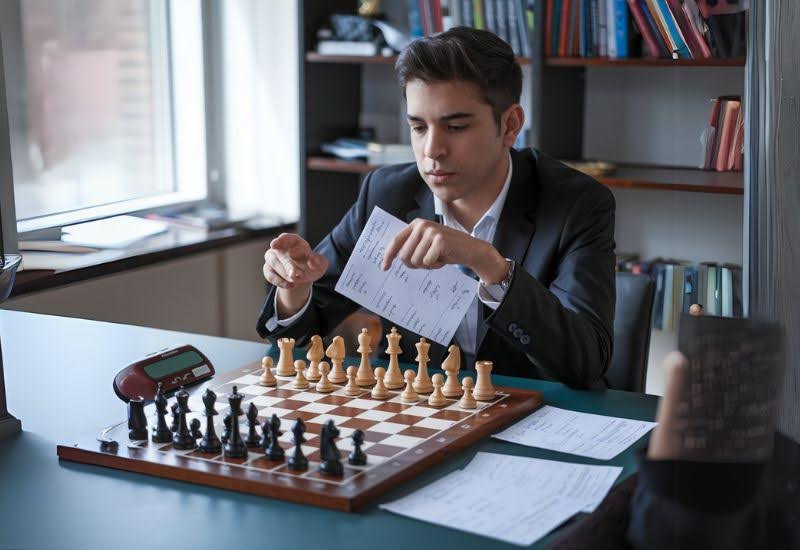
Learning chess is a gradual process that combines knowledge, calculation, pattern recognition, strategic thinking, decision-making, and practical experience. Unlike a subject that can be mastered simply by memorising information, chess improvement depends heavily on how consistently a player studies and applies what they learn. One of the most common questions among beginners, parents, and developing players is how often they should attend chess classes to make noticeable progress. The answer depends on age, experience, goals, available practice time, and the quality of instruction, but regular learning combined with independent practice is generally more useful than attending occasional classes without a consistent routine. A structured schedule allows players to revisit concepts, identify mistakes, practise new ideas, and gradually build stronger chess habits.
For students and families searching for Chess Classes in USA, it is important to look beyond the number of classes offered and consider how the lessons fit into a complete learning routine. A good chess program should combine instruction with practice, game analysis, tactical exercises, and opportunities to apply concepts. Premier Chess Academy provides a structured learning environment where students can develop their chess understanding through guided instruction and regular practice. For some students, one class per week may be enough when combined with independent practice, while beginners or competitive players may benefit from more frequent sessions. The most effective schedule is one that a student can maintain consistently while leaving enough time between lessons to practise and absorb what has been taught.
Why Consistency Matters More Than Simply Attending More Classes
Chess improvement is not necessarily determined by how many classes a player attends each month. Consistency is often more important because chess concepts require time to understand and apply.
If a student attends several classes in a short period but rarely practises between them, they may struggle to remember important ideas. In contrast, a student attending one well-structured class each week and practising regularly can have more opportunities to reinforce the concepts learned.
Chess knowledge develops through repetition. Tactical patterns become easier to recognise, opening principles become more familiar, and strategic ideas become clearer when students repeatedly encounter them in actual games.
How Often Should Beginners Attend Chess Classes?
For a beginner, one structured chess class per week can be a practical starting point. This gives the student enough time to learn a concept, practise it independently, and return to the next class with questions or examples from their games.
Beginners need time to understand basic concepts such as piece movement, check, checkmate, captures, development, king safety, and basic tactical patterns. Trying to cover too much information too quickly can sometimes make learning confusing.
Students who are highly motivated and have sufficient time may choose two classes per week, particularly if they also have opportunities for supervised games and tactical practice.
Recommended Practice Between Chess Classes
Chess classes are only one part of the learning process. Independent practice between lessons helps students turn theoretical knowledge into practical skills.
A student could spend part of the week solving tactical puzzles, playing slower games, reviewing previous games, and revisiting notes from class. Even short practice sessions can be useful when performed consistently.
For younger children, practice should remain engaging rather than feeling like an additional school assignment. Short, focused sessions can often be easier to maintain than long sessions that create frustration.
How Many Chess Classes Should Intermediate Players Attend?
Intermediate players may benefit from one or two structured classes per week depending on their goals. At this stage, students are usually moving beyond basic rules and beginning to explore deeper concepts such as positional planning, tactical calculation, pawn structures, endgame techniques, opening principles, and strategic decision-making.
The role of instruction also changes as players improve. Instead of simply learning new rules or moves, students need feedback on their thought processes and recurring mistakes.
Game analysis becomes increasingly valuable because students can identify why a decision was inaccurate rather than simply learning that a particular move was a mistake.
What About Advanced and Competitive Chess Players?
Advanced players may require a more personalised training schedule. Competitive players preparing for tournaments may combine coaching sessions with tactical training, opening preparation, endgame study, tournament games, and detailed game analysis.
The number of classes can depend on the student’s tournament schedule and current weaknesses. More lessons do not automatically guarantee faster improvement if the player does not have enough time to practise or analyse what they learn.
A balanced training program may therefore include focused coaching combined with independent study and practical competition.
Chess Classes in USA for Different Age Groups
The appropriate learning schedule can also depend on the student’s age. Younger children may benefit from shorter and more interactive sessions because their attention span and learning preferences can differ from those of teenagers or adults.
Older students may be able to handle more detailed analysis and longer practice sessions. Adults, meanwhile, may have limited time because of professional and family responsibilities, making flexible scheduling particularly important.
When considering Chess Classes in USA, parents and adult learners should look for programs that adapt instruction to the student’s experience, age, goals, and learning pace.
Online Chess Classes in USA: How Often Should You Attend?
The growth of online learning has made chess education more accessible. Online Chess Classes in USA can be particularly convenient for students who cannot attend a physical academy regularly or who prefer learning from home.
Online classes can also make it easier to maintain a consistent schedule because students do not need to travel to a physical location.
However, online lessons should still include meaningful interaction. Students should have opportunities to ask questions, analyse positions, play practice games, solve exercises, and receive feedback from the instructor.
For many learners, one online lesson per week combined with regular practice can provide a manageable routine. More frequent sessions may be appropriate for students preparing for competitions or working on specific areas of their game.
How Long Should a Chess Class Last?
The ideal class length depends on the student’s age, level, lesson structure, and concentration. A useful class should not simply fill time; it should provide a balance between explanation, interaction, practice, and feedback.
A lesson might include a short review of previous concepts, introduction of a new idea, practical exercises, and analysis of positions or games.
Longer sessions can be useful for advanced players who are analysing complex positions, but younger beginners may learn better through shorter and more interactive lessons.
Why Playing Chess Between Classes Is Important
Students cannot develop practical chess skills through lessons alone. Playing actual games allows them to apply concepts in unpredictable positions.
A player may understand a tactical idea during a lesson but fail to recognise it during a real game. This is normal. Practical experience helps bridge the gap between knowing a concept and applying it under pressure.
Playing slower games can be particularly useful because students have more time to think through candidate moves, evaluate threats, and consider their opponent’s plans.
The Importance of Game Analysis
Game analysis is one of the most effective ways to learn from practical experience. After a game, students can review important moments and identify where their thinking went wrong.
Instead of focusing only on the final result, players should examine critical decisions. A game that ends in a loss can still provide valuable learning opportunities, while a winning game can contain mistakes that should not be repeated.
Instructor-guided analysis can help students recognise patterns in their mistakes and develop better decision-making habits.
Tactical Training and Chess Improvement
Tactics are an essential component of chess improvement. Tactical exercises train players to recognise patterns involving forks, pins, skewers, discovered attacks, double attacks, sacrifices, and mating combinations.
Regular tactical practice can improve pattern recognition and calculation. However, solving puzzles mechanically is less useful than understanding why the tactic works.
Students should take time to calculate variations and identify the underlying tactical idea rather than simply searching for the answer as quickly as possible.
Opening Study Should Not Take Over Your Training
Many beginners spend too much time memorising opening moves. While opening knowledge becomes increasingly useful as players advance, understanding general opening principles is often more important for beginners.
Students should learn concepts such as developing pieces, controlling the centre, protecting the king, and avoiding unnecessary repeated moves.
As players become stronger, they can gradually build an opening repertoire suited to their playing style and competitive goals.
Why Endgame Practice Matters
Endgames are sometimes overlooked by beginners because they appear less exciting than opening combinations or tactical attacks. However, endgame knowledge can have a major impact on practical chess strength.
Understanding basic king-and-pawn endings, opposition, piece coordination, and common technical positions can help players convert advantages more effectively.
Regular exposure to fundamental endgames gives students a stronger foundation as they progress toward more advanced positions.
Choosing the Top Chess Classes in USA
When parents or students search for Top Chess Classes in USA, it is useful to focus on the quality and structure of the learning experience rather than simply looking at promotional claims.
Consider factors such as instructor experience, curriculum structure, student feedback, class size, lesson format, practice opportunities, tournament preparation, and communication with parents or students.
A strong chess program should be able to explain how students progress from one level to another and how instruction is adapted to different skill levels.
What Makes the Best Chess Classes in USA Different?
People searching for the Best Chess Classes in USA may have different definitions of what they need. A beginner may want patient instruction and an engaging learning environment, while a competitive player may need tournament preparation and detailed game analysis.
The right program should therefore match the student’s goals rather than follow a one-size-fits-all approach.
At Premier Chess Academy, structured chess education can be adapted around different levels of experience, helping students build their understanding step by step. The emphasis should remain on developing thinking skills, practical chess knowledge, and confidence through consistent learning and practice.
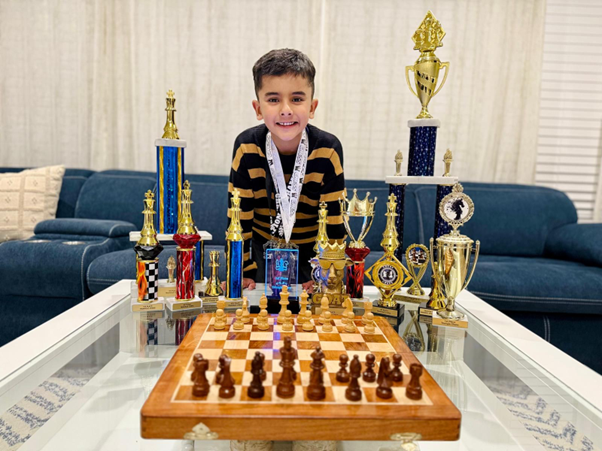
A Practical Weekly Chess Training Schedule
For many students, a balanced weekly schedule could look like this:
- One structured coaching session focused on new concepts and guided practice.
- Two or three short independent practice sessions during the week.
- Regular tactical puzzles to improve calculation and pattern recognition.
- At least one practical game followed by self-analysis.
- Occasional instructor-guided game review to identify recurring mistakes.
This does not mean every student needs exactly this schedule. The appropriate routine depends on age, skill level, goals, and available time.
How Parents Can Support a Child’s Chess Improvement
Parents can support chess development by encouraging consistency rather than putting excessive pressure on results. A child’s rating may fluctuate, and losing games is a normal part of learning.
Instead of asking only whether the child won, parents can ask what the student learned from the game or which position they found interesting.
Creating a positive environment can help children view chess as a skill they can develop over time rather than as a test they must constantly pass.
How Students Can Know If Their Training Is Working
Improvement in chess does not always appear immediately through rating changes. Students may notice progress in other ways, such as recognising tactical patterns faster, making fewer simple blunders, calculating more accurately, understanding plans more clearly, or analysing their games more independently.
Rating can eventually reflect improvement, but it can also fluctuate because of opponents, tournament conditions, nerves, and other factors.
A better long-term approach is to look for gradual improvements in decision-making and chess understanding.
Common Mistakes in Chess Training
One common mistake is trying to learn too many concepts simultaneously. Chess is a broad subject, and students need time to consolidate what they learn.
Another mistake is playing many games without analysing them. Playing provides experience, but analysis helps convert that experience into learning.
Students can also make the mistake of focusing exclusively on openings while neglecting tactics, endgames, calculation, and practical decision-making.
A balanced training program is generally more useful because chess improvement requires multiple skills working together.
When Should You Increase the Number of Chess Classes?
A student may consider increasing class frequency when they have clear goals, enough time for independent practice, and a genuine need for additional instruction.
For example, a student preparing for an upcoming tournament may temporarily benefit from additional coaching focused on game analysis, tactical preparation, and tournament strategy.
However, adding more classes without increasing practice quality may not produce the expected results. Before increasing lesson frequency, it is useful to evaluate how effectively the student is using the time between classes.
FAQs
1. How often should I attend chess classes to improve?
For many beginners, one structured chess class per week combined with regular practice can provide a strong starting point. Students with more ambitious competitive goals may benefit from two or more sessions depending on their individual training needs.
2. Are Chess Classes in USA suitable for beginners?
Yes. Chess programs can be designed for complete beginners as well as intermediate and advanced players. The most important factor is choosing instruction that matches the student’s current level.
3. Are Online Chess Classes in USA effective?
Online Chess Classes in USA can be effective when lessons include interactive instruction, practical exercises, game analysis, and opportunities for students to receive feedback. Consistent practice between sessions remains important.
4. What should I look for in the Best Chess Classes in USA?
Look for experienced instructors, structured lessons, appropriate class levels, practical training, game analysis, student support, and a curriculum that matches your goals.
5. How much should I practise between chess classes?
The ideal amount varies by age and level. Even 20–30 minutes of focused practice several times per week can be useful when combined with regular lessons and practical games.
Conclusion
There is no single number of chess classes that guarantees improvement for every player. The most effective schedule depends on the student’s age, current ability, personal goals, available time, and willingness to practise outside lessons. For many beginners, one well-structured class each week combined with regular tactical exercises and practical games can provide a strong foundation. Intermediate and competitive players may require more frequent or specialised instruction as their goals become more demanding.
The key is to create a balanced learning routine. Chess classes provide guidance and structured knowledge, while independent practice, tactical exercises, game analysis, and tournament experience help students apply what they learn. Whether a student chooses in-person instruction or Online Chess Classes in USA, consistent engagement with the game remains an important part of long-term development.
For families comparing Top Chess Classes in USA or searching for the Best Chess Classes in USA, the focus should be on finding an academy that provides age-appropriate instruction, experienced guidance, practical learning opportunities, and a structured path for development. Premier Chess Academy provides a learning environment where students can work on chess fundamentals, strategic understanding, tactical skills, and practical decision-making in a structured manner.
Ultimately, chess improvement is a process rather than a single event. Attending classes regularly, practising between sessions, analysing games, and learning from mistakes can gradually build stronger chess skills. With the right balance of instruction and independent practice, students can make their chess journey more consistent, engaging, and purposeful.
Recent Comments