
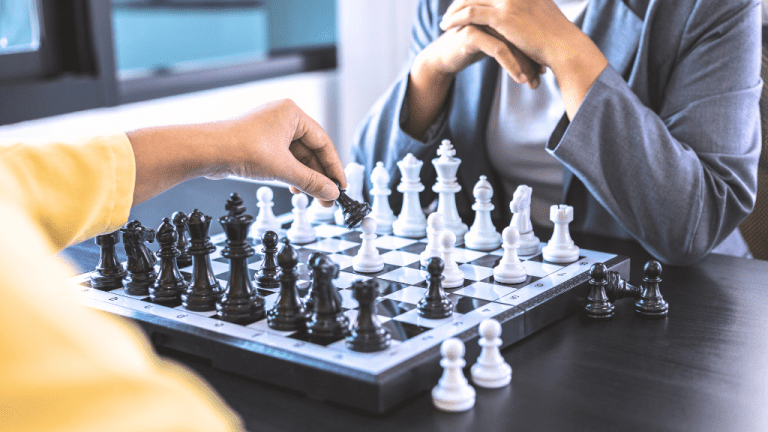
In chess, the opening helps you set the stage, while the endgame decides the result. But it is the middlegame where true creativity, strategy, and planning unfold. This is where players face the real challenge — finding the right moves at the right time to convert an opening advantage into a winning position. Without a clear middlegame plan, even the best opening preparation can collapse.
At Premier Chess Academy, we emphasize that learning how to plan in the middlegame is one of the most crucial skills a player can develop. Whether you are learning through Online Chess Classes, joining a Chess Academy, or taking guidance from a Chess School, understanding middlegame strategies ensures you play with confidence and direction.
Why the Middlegame Matters
The middlegame begins once the opening phase is complete and your pieces are developed. Unlike the opening (which has memorized lines) or the endgame (which often has clear theoretical solutions), the middlegame is dynamic and unpredictable. This is where players must:
-
Assess the strengths and weaknesses of both sides.
-
Make decisions about piece activity, pawn structures, and king safety.
-
Create long-term strategies while balancing short-term tactics.
A player’s ability to transition effectively from the opening to the middlegame often determines whether they will reach a winning endgame or struggle to survive.
The Foundation: Chess Setup and Piece Placement
The importance of Chess Setup doesn’t end after the first few moves. How your pieces are positioned during the opening directly impacts your middlegame planning. A misplaced knight or an uncastled king can cause long-term weaknesses.

For example:
-
A knight on the edge (like h3 or a3) is far less effective compared to one in the center.
-
Rooks must eventually find open or semi-open files to influence the game.
-
Pawns must support central control while avoiding unnecessary weaknesses.
Students at Premier Chess Academy learn how to connect opening principles with middlegame strategies, ensuring that each move builds toward a long-term plan.
Key Elements of Middlegame Planning
1. King Safety
Even if your opening was aggressive, keeping your king safe is the first priority. Castling, pawn shields, and awareness of open files near your king are crucial. Many games are lost not because of poor strategy but because of a neglected king position.
2. Piece Activity
Active pieces are the heart of successful middlegame planning. Instead of simply protecting pawns, your pieces should work together to attack weak squares, control the center, and put pressure on your opponent.
3. Pawn Structure
Pawns form the skeleton of your position. Doubled pawns, isolated pawns, or backward pawns can become weaknesses your opponent exploits. On the other hand, well-placed pawns can restrict enemy pieces and support your attacks.
4. Planning for Exchanges
Should you trade pieces or keep them? Knowing when to exchange is an essential middlegame skill. For example, exchanging when ahead in material often simplifies the path to victory, while avoiding trades may be better if you need to keep complexity alive.
How to Find the Right Moves at the Right Time
Evaluate the Position
The first step is to evaluate: Who controls the center? Is the king safe? Which side has weaknesses? This evaluation guides your strategy.
Create a Plan
Instead of moving aimlessly, every move should fit into a bigger plan. For instance: if you notice your opponent’s king is stuck in the center, your plan may revolve around opening the center quickly.
Balance Strategy and Tactics
Middlegame planning is a mix of long-term strategy and short-term tactics. While strategy gives you direction, tactics (like forks, pins, and discovered attacks) are the tools to execute it.
Common Middlegame Strategies Taught at Premier Chess Academy
-
Minority Attack – Advancing pawns on the queenside to create weaknesses.
-
Central Breakthroughs – Opening the center with pawn moves to exploit undeveloped pieces.
-
Kingside Attacks – Using pieces and pawns to create threats against the opponent’s king.
-
Prophylaxis – Anticipating your opponent’s plan and stopping it before it begins.
Through Online Chess Coaching at Premier Chess Academy, students practice these strategies using real examples from master-level games, ensuring they understand how to apply them practically.
Role of Online Chess Classes in Mastering the Middlegame
The advantage of Online Chess Classes is that students can review games, study specific middlegame themes, and get personalized feedback from coaches. With modern chess tools and guided practice, players can analyze their mistakes and understand not just what went wrong but why.
Our Chess Academy ensures that students practice a wide range of middlegame themes — from attacking on opposite wings to maneuvering in closed positions. This well-rounded approach builds confidence and adaptability in every situation.
Why Choose Premier Chess Academy for Middlegame Training
At Premier Chess Academy, we combine the structure of a professional Chess School with the flexibility of Online Chess Coaching. Our curriculum focuses on:
-
Personalized game analysis.
-
Practical exercises targeting specific middlegame strategies.
-
Live coaching sessions to sharpen calculation skills.
-
Building the link between Chess Setup, opening principles, and middlegame execution.
Whether you are a beginner learning the basics or an advanced player aiming for tournaments, our systematic approach helps you make the right decisions at the right time.
Conclusion
The middlegame is the battlefield where your creativity, calculation, and planning are truly tested. Without a clear strategy, even the best opening preparation may fall apart. But with the right guidance, players can transform middlegame complexity into opportunities for victory.
At Premier Chess Academy, our mission is to help students master this critical stage of the game through structured lessons, interactive analysis, and personalized coaching. With dedicated practice and expert mentoring, you can develop the confidence to find the right moves at the right time and take your chess skills to the next level.
Recent Comments