
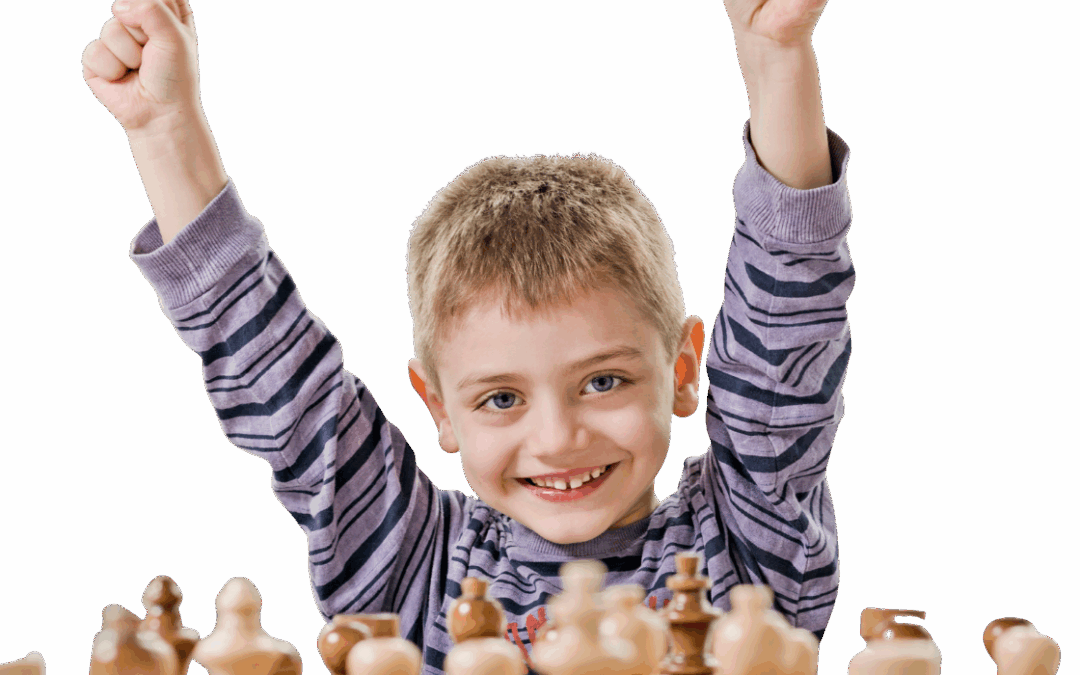
In today’s fast-paced digital world, children are constantly exposed to instant gratification through mobile games, social media, and entertainment platforms. As a result, qualities like patience, focus, discipline, and emotional control are slowly fading from daily behavior. Parents everywhere are searching for activities that not only engage children mentally but also help build strong character, emotional stability, and life skills. One powerful yet underrated solution is chess. Chess is not just a game — it is a mental training system that shapes a child’s thinking, behavior, and personality over time.
At Premier Chess Academy, we believe chess is one of the most effective tools for building discipline and patience in children. Through structured learning, guided practice, and strategic thinking, chess naturally develops self-control, consistency, and emotional maturity. Whether a child is learning through Professional Chess Classes, Online Chess Classes, or Chess Classes for Beginners, the mental habits they develop go far beyond the chessboard. Chess trains the mind to think before acting, to accept mistakes, to stay calm under pressure, and to grow through persistence — values that stay with a child for life.
Chess as a Mental Discipline Tool
Chess is a game of structure, rules, and responsibility. Every move has a consequence, and every decision creates a chain reaction. Children quickly learn that careless actions lead to mistakes and losses, while thoughtful planning leads to success. This naturally builds discipline without force or pressure.
How chess builds discipline:
-
Children learn to follow rules and structure
-
They develop routine learning habits
-
They practice consistent thinking patterns
-
They understand the importance of preparation and planning
In Professional Chess Classes, students follow structured training modules that include openings, tactics, endgames, puzzles, and game analysis. This structured learning system teaches children that growth comes from daily practice, focus, and commitment. Discipline becomes a habit rather than a forced behavior. Over time, children apply the same discipline to school studies, homework, and daily routines, making chess a powerful personality-building tool.
How Chess Develops Patience in Children
Patience is one of the strongest life skills chess develops. Unlike fast-paced video games, chess requires slow thinking, observation, waiting, and planning. Children learn that rushing leads to mistakes and that calm thinking leads to better outcomes.
Chess naturally teaches patience through:
-
Waiting for the right opportunity
-
Thinking multiple moves ahead
-
Observing the opponent’s strategy
-
Accepting slow progress and learning phases
In Chess Classes for Beginners, students are trained to think before moving. Coaches teach them to analyze positions, evaluate risks, and make decisions calmly. Children learn that winning is not about speed, but about strategy, timing, and control. This patience slowly reflects in real life — better classroom behavior, improved attention span, emotional control, and better decision-making.
Role of Professional Chess Classes in Character Development
Professional Chess Classes go beyond teaching rules and moves. They focus on mindset training, psychological strength, emotional balance, and mental discipline. At Premier Chess Academy, training programs are designed to build both skill and character.
Benefits of professional training:
-
Structured learning systems
-
Psychological development
-
Emotional control training
-
Goal-based progress tracking
Children trained in professional environments learn how to:
-
Handle losses positively
-
Stay calm under pressure
-
Focus for long durations
-
Respect opponents and rules
These qualities build strong discipline and patience that extend into academics, sports, and social life. Chess becomes a foundation for personality development, not just a competitive skill.
Online Chess Classes and Mental Growth
Online Chess Classes have made quality chess education accessible to children everywhere. Digital platforms now allow children to learn discipline and patience from certified coaches without geographical limits.
Benefits of online learning:
-
Flexible learning schedules
-
Structured digital training
-
Live interaction with coaches
-
Global exposure and competition
Online learning still maintains structure, routine, and discipline. Children learn to manage time, attend sessions regularly, complete assignments, and follow learning schedules. This builds responsibility and self-management — two powerful forms of discipline that benefit children in all areas of life.
Chess Classes for Beginners: Building Strong Foundations
Chess Classes for Beginners play a crucial role in shaping a child’s mindset from the start. Early exposure to chess thinking patterns creates long-term behavioral impact.
Beginner-level learning teaches:
-
Thinking before acting
-
Logical reasoning
-
Emotional control
-
Calm decision-making
Children learn that mistakes are part of learning, not failure. This mindset builds patience and resilience. Instead of frustration, they develop learning-oriented thinking. This emotional strength helps children face challenges in academics and life without fear or anxiety.
Why Chess Is the Best Character-Building Activity for Kids
Unlike other activities that focus only on entertainment, chess focuses on mental growth, discipline, and self-improvement. It develops a growth mindset and emotional maturity.
Chess helps children develop:
-
Self-control
-
Focus
-
Emotional intelligence
-
Long-term thinking
-
Responsibility
-
Confidence
-
Patience
-
Discipline
This is why chess is now considered one of the Best Chess Classes for Kids activities globally — not only for intellectual development but for personality building as well.
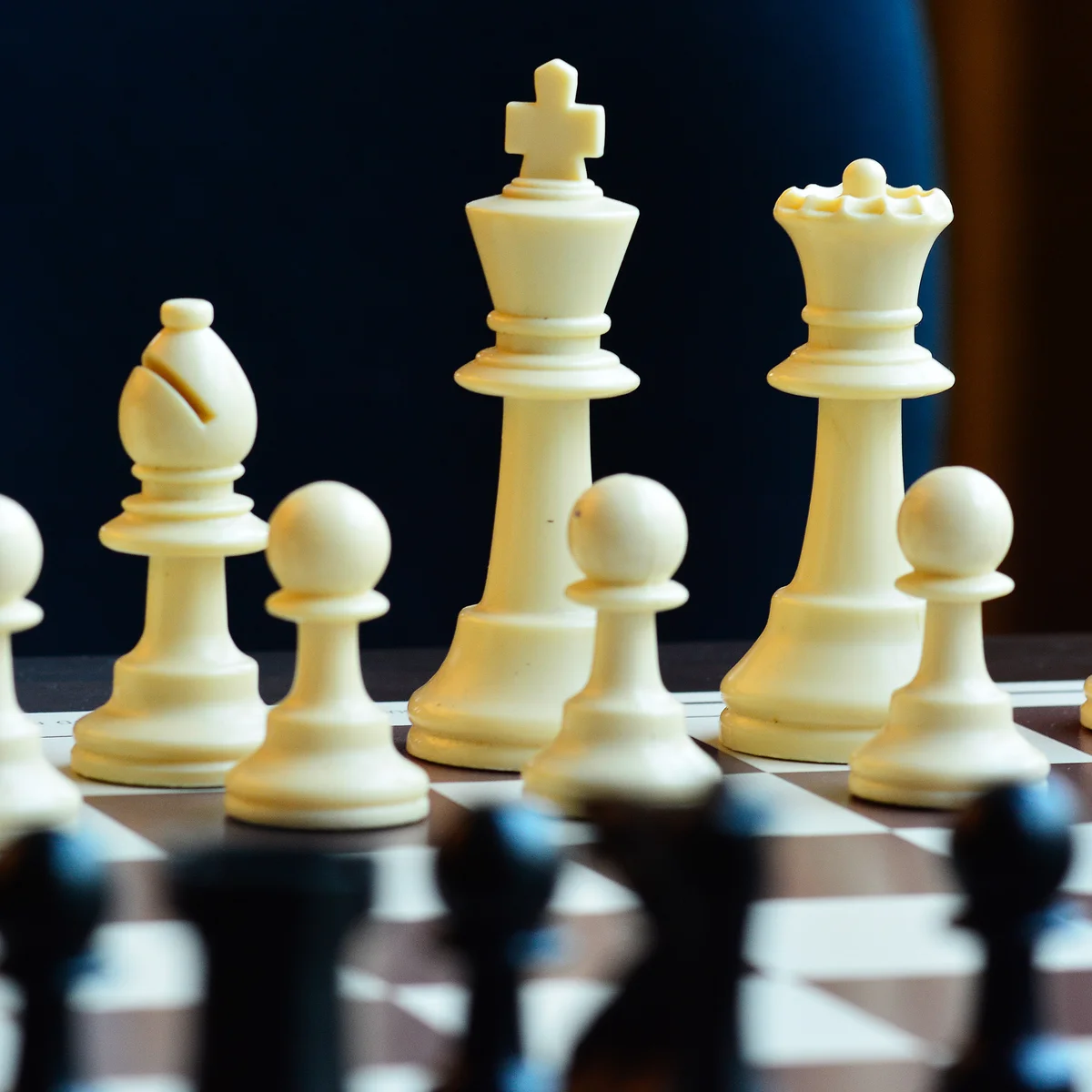
Premier Chess Academy’s Approach to Discipline and Patience Training
At Premier Chess Academy, we focus on holistic development, not just chess performance. Our training system is designed to build mental strength along with chess skills.
Our learning model includes:
-
Structured curriculum
-
Progressive training levels
-
Behavioral coaching
-
Mindset development
-
Emotional training
-
Performance psychology
-
Strategic thinking modules
We believe that a disciplined mind creates a successful child, and a patient mind creates a confident future leader.
Long-Term Life Benefits of Chess Training
Children trained in chess develop skills that stay with them for life. These skills help in education, careers, relationships, and leadership.
Long-term benefits include:
-
Better academic performance
-
Strong focus and concentration
-
Emotional stability
-
Decision-making skills
-
Leadership qualities
-
Confidence and resilience
-
Stress management
-
Strategic thinking
Chess shapes the mind to handle real-world challenges calmly and intelligently.
Conclusion
Chess is not just a board game — it is a life-training system. Through structured learning, strategic thinking, and mental discipline, chess builds patience, emotional control, and self-discipline in children. Whether through Professional Chess Classes, Online Chess Classes, Chess Classes, or Chess Classes for Beginners, the impact of chess goes far beyond the board. It shapes character, mindset, and future success.
At Premier Chess Academy, we are committed to developing not just strong chess players, but strong individuals. Our training programs are designed to nurture discipline, patience, confidence, and leadership in every child. Because we believe the true victory of chess is not checkmate — it is building a strong, focused, disciplined, and patient mind that succeeds in every area of life.
Recent Comments