
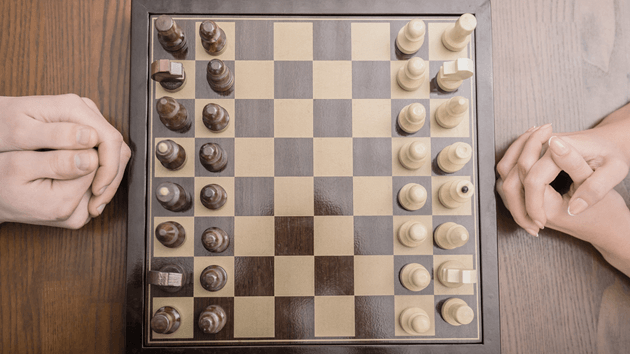
Competitive environments demand focus, resilience, and mental endurance — and Competitive Chess is no exception. Unlike many sports that rely on physical strength, chess is a battle of minds where psychological pressure can be intense. Every move matters, every mistake can be decisive, and the clock is always ticking. For students and aspiring professionals, learning how to handle stress during tournaments is just as important as mastering openings and tactics. At Premier Chess Academy, we believe that strong mental preparation is the foundation of consistent performance. Whether students attend Professional Chess Classes, enroll in Online Competitive Chess Classes, or begin with structured Chess Classes Chess programs, developing emotional control is key to success.
Young learners, especially those enrolled in Classes for Beginners or the Best Chess Classes for Kids, often experience nervousness during competitions. Facing higher-rated opponents, playing under time pressure, or competing in unfamiliar environments can trigger anxiety. Without the right guidance, stress can negatively affect decision-making, calculation ability, and overall confidence. That’s why at Premier Chess Academy, our training approach goes beyond technical instruction — we focus on building mental strength, discipline, and tournament readiness to help players thrive in competitive settings.
Understanding Stress in Competitive Chess
Stress in Competitive Chess typically arises from fear of losing, performance expectations, time pressure, and the desire to achieve ratings or titles. Players may feel overwhelmed when they encounter unfamiliar positions or when they realize they have made a mistake. The psychological intensity increases in longer tournaments where mental fatigue accumulates over multiple rounds.
Students in Professional Chess Classes often learn advanced strategies and calculation techniques, but without mental conditioning, these skills may not fully translate into tournament success. Stress can lead to rushed moves, blunders, and self-doubt. Recognizing stress as a natural part of competition is the first step toward managing it effectively.
The Role of Preparation in Reducing Pressure
Preparation significantly reduces anxiety. Players who attend structured Online Competitive Chess Classes gain consistent practice and exposure to tournament-like scenarios. Regular mock games, timed practice sessions, and analysis exercises simulate real competition conditions, helping students adapt to pressure.
For those in Classes for Beginners, learning basic principles thoroughly builds confidence. When foundational concepts such as piece development, king safety, and tactical awareness are well understood, players feel more secure in their decisions. The Best Chess Classes for Kids focus on strengthening these fundamentals while gradually introducing competitive strategies. Proper preparation transforms fear into readiness.
Mental Techniques to Handle Pressure
Coping with stress in Competitive Chess requires practical mental strategies. Deep breathing before making critical moves helps stabilize focus. Breaking the game into smaller phases — opening, middlegame, and endgame — prevents players from feeling overwhelmed by the entire match.
Visualization is another powerful tool taught in Professional Chess Classes. Players mentally rehearse calm responses to difficult positions, preparing themselves for unexpected scenarios. Positive self-talk also plays a crucial role. Instead of thinking, “I will lose,” players learn to think, “I will find the best move.” This mindset shift improves concentration and reduces panic.
Importance of Time Management
Time pressure is one of the biggest stress triggers in Competitive Chess. Mismanaging the clock can lead to rushed decisions and avoidable mistakes. Students in Online Competitive Chess Classes are trained to allocate time wisely — spending more time on critical positions and less on routine moves.
In Chess Classes Chess programs at Premier Chess Academy, students practice solving puzzles under timed conditions to improve speed and accuracy. This not only sharpens calculation skills but also builds comfort with time constraints, ensuring players remain composed during crucial moments.
Physical and Lifestyle Factors
Though chess is a mental sport, physical health directly impacts performance. Proper sleep, hydration, and balanced nutrition help maintain concentration during long tournaments. The Best Chess Classes for Kids emphasize healthy routines, teaching young players the importance of physical well-being alongside training.

Light physical exercise before a game can improve blood circulation and alertness. Avoiding excessive screen time before tournaments also reduces mental fatigue. Competitive chess demands sustained focus, and maintaining overall wellness supports cognitive endurance.
Four Key Strategies to Cope with Chess Pressure
1. Develop a Strong Foundation
-
Master basic principles
-
Practice regularly
-
Analyze past games
-
Build tactical awareness
2. Train Under Tournament Conditions
-
Timed practice games
-
Mock competitions
-
Exposure to stronger opponents
-
Regular performance reviews
3. Strengthen Mental Resilience
-
Practice deep breathing
-
Use positive self-talk
-
Visualize success
-
Accept mistakes as learning opportunities
4. Maintain Healthy Habits
-
Sleep adequately
-
Stay hydrated
-
Eat balanced meals
-
Take short mental breaks
Learning from Losses
Losses are inevitable in Competitive Chess, even for grandmasters. The key difference between average players and champions lies in how they respond to defeat. Students enrolled in Professional Chess Classes are taught to analyze losses objectively rather than emotionally. Reviewing games with coaches helps identify mistakes and convert them into lessons.
For beginners in Classes for Beginners, losing can feel discouraging. That is why supportive guidance is essential. At Premier Chess Academy, we encourage students to see every loss as a stepping stone toward improvement. This growth mindset reduces fear of failure and builds long-term resilience.
The Importance of Coaching and Support
A strong support system significantly reduces tournament anxiety. Having a coach who provides constructive feedback and encouragement boosts confidence. Enrolling in Online Competitive Chess Classes ensures continuous mentorship, even when players cannot attend physical sessions.
Parents also play an important role for children attending the Best Chess Classes for Kids. Encouragement without excessive pressure helps young players enjoy the game rather than fear competition. A balanced approach ensures sustainable progress.
Building Confidence Through Consistency
Confidence in Competitive Chess grows through consistent effort. Regular training, game analysis, and exposure to tournaments gradually desensitize players to stress. The more competitions a player participates in, the more familiar the environment becomes.
At Premier Chess Academy, our structured Chess Classes Chess curriculum combines tactical drills, strategy sessions, psychological preparation, and tournament participation. This comprehensive approach ensures students are not only technically skilled but mentally prepared to handle pressure.
Conclusion
Coping with stress and pressure in Competitive Chess is a skill that must be developed alongside tactical and strategic knowledge. Through structured Professional Chess Classes, focused Online Competitive Chess Classes, and well-designed Classes for Beginners, players can build the mental resilience needed to succeed. The journey from nervous beginner to confident competitor requires preparation, discipline, and the right mentorship.
At Premier Chess Academy, we believe that success in chess is not just about mastering openings or memorizing tactics — it’s about cultivating calmness under pressure and confidence in decision-making. Our commitment to delivering the Best Chess Classes for Kids and aspiring professionals ensures that every student gains the tools to face competition fearlessly. With proper guidance, practice, and mindset, stress transforms from an obstacle into a source of strength — helping players perform at their very best when it matters most.
Recent Comments