
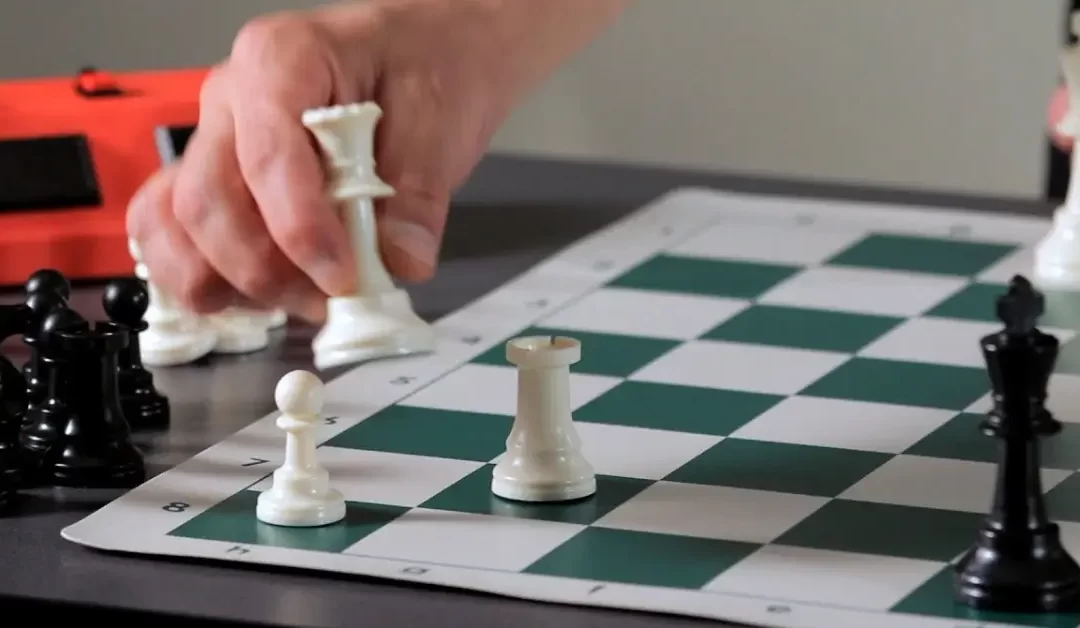
In the world of chess, every move counts — and some count more than others. Among the most pivotal decisions a player faces is whether or not to exchange pieces. This strategic choice can determine control of the board, momentum, and even the outcome of the game. Knowing when to trade pieces is a skill that separates beginners from advanced players.
At Premier Chess Academy, we emphasize teaching critical thinking and strategic decision-making through our online chess classes. Whether you’re just starting or looking to improve, our structured chess training programs guide you through the subtle art of piece exchanges, offering a solid foundation for tournament-level play.
Understanding the Purpose of Piece Exchanges
In basic terms, exchanging pieces means replacing one of your pieces with an opponent’s piece of equal value. But the consequences of such a trade can go far beyond material equality. It can help:
-
Simplify the position
-
Eliminate a strong piece of your opponent
-
Open files or diagonals
-
Transition into a favorable endgame
Through online chess coaching, players learn that every exchange must serve a deeper purpose, not just a mathematical trade-off.
When to Exchange: General Guidelines
Here are some reliable situations when exchanging pieces is a strong choice:
-
When ahead in material: Simplifying the position makes it easier to convert your advantage.
-
When defending: Trading active enemy pieces can reduce your opponent’s attacking potential.
-
When transitioning to a favorable endgame: Removing powerful middle-game threats helps you smoothly enter a winning endgame.
Our chess academy focuses on teaching these principles using live practice games and instructor-led analysis, helping students understand not just how, but why an exchange works.
When to Avoid an Exchange
Not all trades are good trades. In fact, poor exchanges often hand the opponent the upper hand. Avoid exchanging pieces when:
-
Your piece is more active: Active pieces control more space and threaten tactics.
-
You are down in material: Simplifying the board usually favors the player with a lead.
-
You’re trying to maintain pressure: Keeping attacking pieces on the board sustains momentum.
Chess schools like Premier Chess Academy help students recognize these nuanced decisions through interactive, scenario-based learning modules in our online chess classes.
Positional Factors to Consider
Before making a trade, assess the position:
-
King safety: Does the trade open lines towards your king or your opponent’s?
-
Pawn structure: Will the trade result in doubled, isolated, or backward pawns?
-
Piece activity: Are your remaining pieces well-placed?
-
Control of key squares: Does the trade give up or secure control over crucial squares?
We integrate positional awareness into every level of our chess training, from beginner to advanced students, across all our online chess coaching programs.
Exchange in Opening, Middlegame, and Endgame
Each phase of the game demands a different approach to exchanges:
-
Opening: Only exchange if it helps you complete development or gain control of the center.
-
Middlegame: Evaluate based on tactics, activity, and king safety.
-
Endgame: Simplification is often beneficial if you are ahead in material or pawn structure.
In our chess setup tutorials, we teach kids and adults how each stage of the game requires a shift in strategy — including when to trade.
Tactical vs. Positional Exchanges
Understanding the difference between a tactical and a positional exchange is vital:
-
Tactical exchange: Short-term benefit (e.g., capturing a piece to win material immediately).
-
Positional exchange: Long-term advantage (e.g., trading bishops to weaken pawn structure).
This is a core concept in our advanced online chess coaching curriculum at Premier Chess Academy, where players are trained to think several moves ahead.
Common Mistakes in Exchanges
Even intermediate players make common errors such as:
-
Exchanging active for passive pieces
-
Trading when behind without compensation
-
Ignoring consequences to pawn structure
Through consistent practice in our online chess classes, students learn to identify and avoid such costly mistakes.
Exercises to Improve Your Exchange Strategy
To improve your decision-making:
-
Analyze grandmaster games focused on positional exchanges
-
Use chess engines to evaluate before-and-after board positions
-
Practice with puzzles that force decision-making around exchanges
At Premier Chess Academy, our interactive chess training platform includes exchange-oriented exercises for all skill levels.
Benefits of Learning with Premier Chess Academy
Premier Chess Academy offers more than just tactics — we build strategic thinkers. Our structured programs include:
-
Customized chess training modules
-
Live interactive online chess classes
-
Dedicated mentors for progress tracking
-
Access to professional-level analysis tools
We ensure that learning chess becomes an enjoyable and intellectually stimulating journey, whether you’re a young beginner or a growing enthusiast.
Final Thoughts: Mastering the Art of the Trade
Knowing when and why to exchange pieces is as important as understanding the chess setup itself. With every move, the balance of power can shift, and learning to master piece exchanges gives you control over that balance.
Join Premier Chess Academy — a trusted chess school for thousands of players — and sharpen your decision-making skills. With our expert instructors and interactive online chess coaching, you’ll go beyond tactics to understand the heart of chess strategy.
Recent Comments