
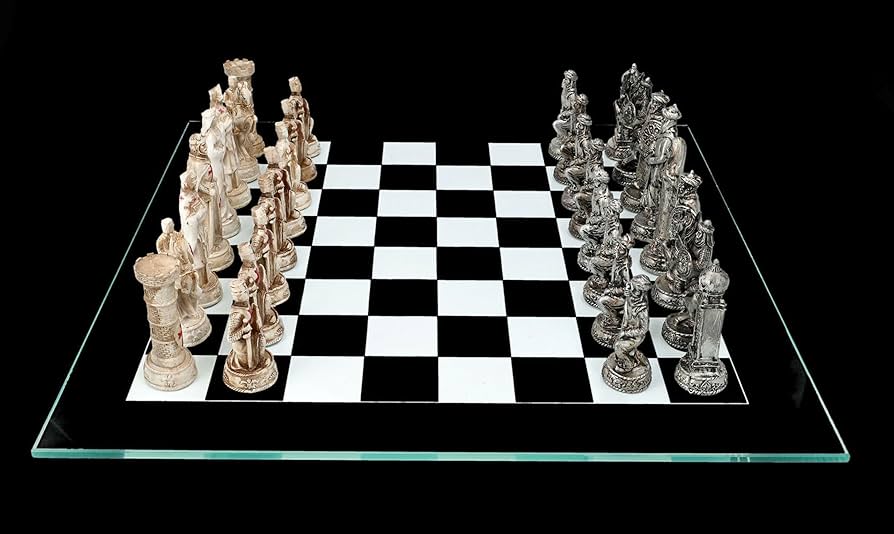
In chess, as in life, losses are inevitable. Whether you’re a beginner or an advanced player, no one escapes defeat entirely. However, what separates a good player from a great one is not just how they win—but how they bounce back after a loss. Managing emotions after a tough game is a vital skill that often gets overlooked in traditional training.
At PCA, we understand that emotional strength is just as important as strategic knowledge. Our Chess Training programs, including both in-person and Online Chess Classes, focus on building a growth mindset alongside technical skills. Resilience, focus, and emotional control can transform the way you approach the board—and life.
1. Understanding the Emotional Impact of a Loss
Losing a game can trigger frustration, disappointment, anger, or even self-doubt. It’s natural to feel these emotions, especially after investing time and effort into your preparation. However, emotional reactivity can hinder your ability to improve and affect your motivation going forward.
That’s why players at our Chess Academy are taught to view losses not as failures, but as feedback. Each defeat carries valuable lessons—miscalculations, rushed decisions, or weak positional understanding—that can be fixed with the right Chess Training.
2. Accepting the Loss Without Blame
The first step to managing emotions after a loss is accepting responsibility without self-blame. Many players fall into the trap of blaming luck, opponents, or distractions. Others are too harsh on themselves, labeling one loss as proof of being “bad at chess.”
At PCA, especially through our Online Chess Coaching sessions, we help players analyze their losses objectively. Instead of focusing on the result, we focus on the process—what went right, what went wrong, and what can be improved in the next game.
3. Build a Post-Game Review Habit
Post-game analysis is one of the most powerful tools for emotional growth in chess. By reviewing your games calmly, you turn frustration into focus. Using your Chess Setup, a score sheet, or digital board, walk through your game with your coach or alone.
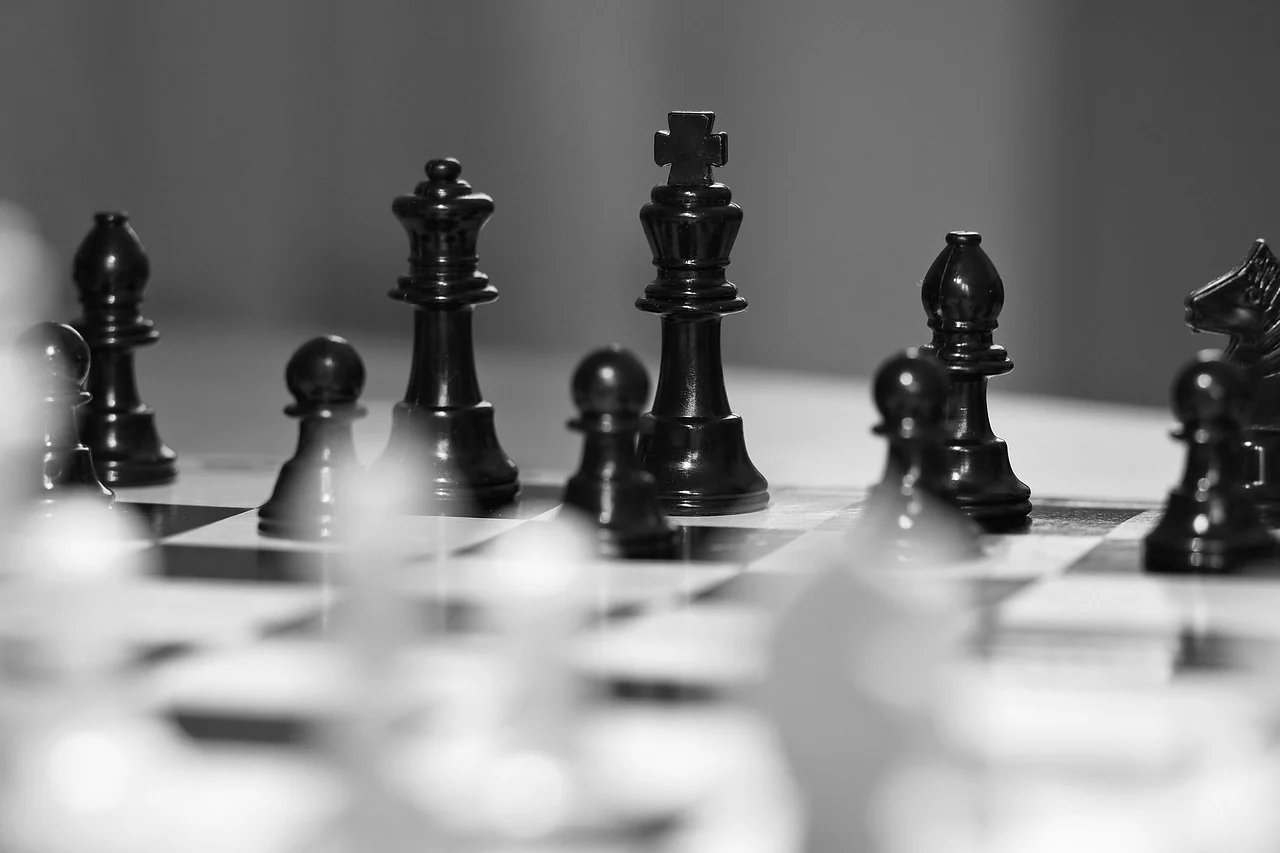
Our Online Chess Classes include guided post-match reviews where students can break down key moments, identify turning points, and reflect on psychological factors—like time pressure or decision-making under stress.
4. Practice Emotional Regulation Techniques
Just as you train your brain for tactics and strategy, you can train it to manage stress and disappointment. Breathing techniques, mindfulness, and short walks after intense games can help reset your emotional state.
At Premier Chess Academy, we incorporate soft skills and focus training into our Chess School environment. Learning how to stay calm and composed is especially important during tournaments, where emotional carryover from one game can affect the next.
5. Turn Every Loss Into a Learning Experience
What separates strong players is their mindset: they don’t just play to win—they play to learn. Whether it’s a blunder, a weak opening choice, or time mismanagement, a loss is simply data that can help you get better.
Our Chess Training curriculum encourages players to keep a “Chess Journal” where they reflect on each loss and write down 1–2 takeaways. Whether attending offline or through Online Chess Coaching, our goal is to build long-term thinkers, not just short-term winners.
6. Surround Yourself with Positive Chess Culture
Having the right support system can greatly impact how you handle losses. In our Chess Academy, we promote a friendly and encouraging environment where students cheer for each other, share insights, and lift one another up after tough games.
Through Online Chess Classes, players also get access to a community where growth is prioritized over ego. When students see losses as common learning experiences, they feel less alone and more motivated to come back stronger.
7. Set Realistic Goals and Track Progress
Sometimes, a loss feels worse than it should because your expectations were unrealistic. It’s important to measure progress not just in wins but in improved accuracy, decision-making, and confidence.
Our coaches at PCA work with each student to set customized goals. Whether it’s mastering a new opening, improving endgames, or increasing rating points slowly over time, we use Chess Training as a step-by-step journey toward improvement, not just immediate results.
Conclusion
Losses in chess are unavoidable, but how you react to them shapes your long-term growth. Emotional resilience is a key skill that separates champions from casual players. When you train your mind to accept and learn from defeat, you’re not just improving your chess—you’re building character.
At Premier Chess Academy, we believe that every setback is a setup for a comeback. Through structured Online Chess Coaching, strategic analysis, and a supportive learning environment, we help players of all levels become more resilient, confident, and focused. Remember: losing a game doesn’t mean you’ve failed—it means you’re still learning, still growing, and still on the path to greatness.
Recent Comments