
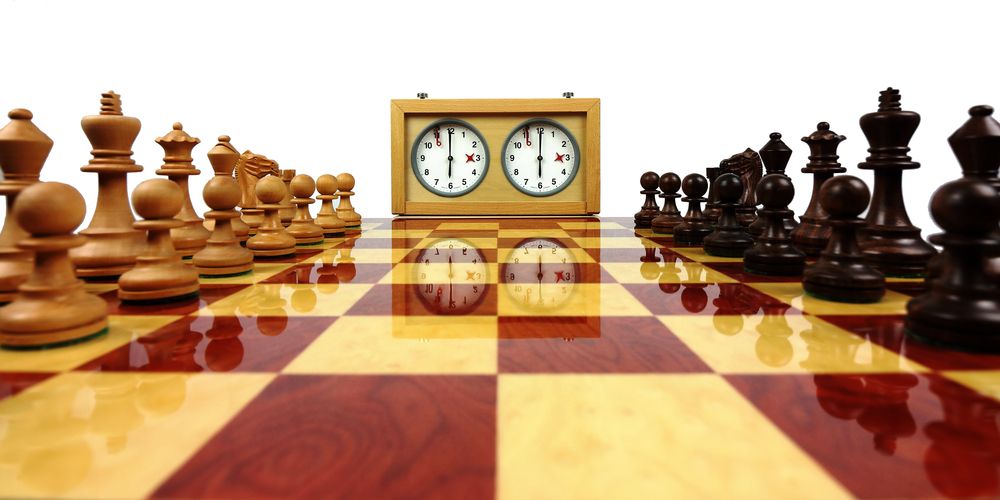
In chess, running out of time is one of the most frustrating ways to lose a game. Many players focus heavily on tactics and strategy, yet they often overlook time management as an essential skill. No matter how strong your chess setup or how well you calculate, poor time management can cost you victory.
At Premier Chess Academy, we teach students that time is as valuable as the pieces on the board. Whether you are enrolled in online chess classes or learning at a traditional chess school, mastering the clock is crucial. This blog explores proven techniques to improve your time management, stay calm under pressure, and avoid losing games simply because the clock runs out.
Why Time Management Matters in Chess
Chess is not just about finding the best moves—it’s about finding them efficiently. Most formats, whether rapid, blitz, or classical, have strict time controls. Players who spend too long on a single move risk blundering later when time is low.
Good time management ensures you maintain a balance between calculation and intuition. At our chess academy, we emphasize that a well-managed clock allows players to execute strategies confidently without unnecessary panic in the endgame.
Building a Strong Chess Setup Early
A good opening strategy saves valuable minutes. By understanding common openings and developing pieces logically, you avoid wasting time on routine moves. Strong fundamentals like controlling the center, developing knights and bishops, and castling early streamline the game.
In our chess training sessions, students learn not only openings but also the reasoning behind them. With a reliable chess setup, players conserve time in the opening phase and reserve energy for middle and endgame challenges.
The Dangers of Overthinking
Many beginners lose time by overanalyzing every possible move. While calculation is important, overthinking often leads to time pressure and unnecessary mistakes. Learning when to trust your instincts is a key skill taught at our chess school.
Through guided practice and structured exercises, players develop confidence in making efficient decisions. Overthinking less frees up precious minutes, ensuring you have time when it matters most—during complex tactical battles.
Practice with Different Time Controls
To master time, you must train under various conditions. Playing blitz and rapid games sharpens quick decision-making, while classical games help with deep analysis. The balance of both creates a well-rounded player.
At Premier Chess Academy, our online chess coaching incorporates multiple formats so students adapt to different time pressures. This variety ensures you are prepared, whether for a school tournament, online match, or professional event.
Use Increment to Your Advantage
Many online and over-the-board games now use time increments (extra seconds added per move). Players should learn to manage these increments wisely. Instead of panicking in the final minutes, focus on playing steady moves to rebuild time on the clock.
This technique is regularly highlighted in our online chess classes, where coaches demonstrate how increment-based strategies can turn tense time scrambles into controlled victories.
Develop an Endgame Mindset
Time pressure usually hits hardest in the endgame. If you are unprepared for simple checkmates, pawn races, or king maneuvers, you may run out of time while searching for the right moves.

By practicing common endgames during chess training, students reduce the need for lengthy calculations. Recognizing key positions quickly allows them to save time and make confident decisions, even with only seconds left.
Training Exercises for Better Time Management
At Premier Chess Academy, we recommend exercises that directly target time control:
-
Speed Puzzles: Solve tactical problems within strict time limits.
-
Blitz Practice: Play multiple short games to improve decision-making speed.
-
Move Prediction: Guess your opponent’s next move before they play it.
-
Review Under Time Pressure: Analyze games with a clock to simulate real conditions.
These methods train both speed and accuracy, ensuring you don’t sacrifice quality for quickness.
The Role of Online Chess Classes in Time Control Mastery
Online chess classes provide tools that make practicing time management easier than ever. Digital platforms allow players to track average move times, analyze mistakes made in time pressure, and replay games for improvement.
Our online chess coaching combines live feedback with AI-powered analysis. Students not only learn strategies but also review how they managed their clocks, helping them identify patterns of hesitation and overthinking.
Staying Calm Under Pressure
Even with strong preparation, time trouble can be stressful. The ability to stay calm separates advanced players from beginners. Breathing exercises, focusing on the board instead of the clock, and trusting your training are all techniques we teach at our chess academy.
Panic often leads to blunders. A composed player, even with limited time, can still find strong moves and survive. Confidence built through structured chess training is the best defense against time trouble.
Conclusion
Time management is a skill as vital as tactics, openings, or strategy. By mastering efficient decision-making, practicing different formats, and staying calm in pressure situations, you can avoid losing games on time. From building a strong chess setup to practicing endgames, every step contributes to better clock control.
At Premier Chess Academy, we integrate time management into every lesson, whether through online chess classes, guided sessions at our chess school, or personalized online chess coaching. With structured chess training, you can transform time pressure from a weakness into a weapon—and never lose another game to the clock again.
Recent Comments