
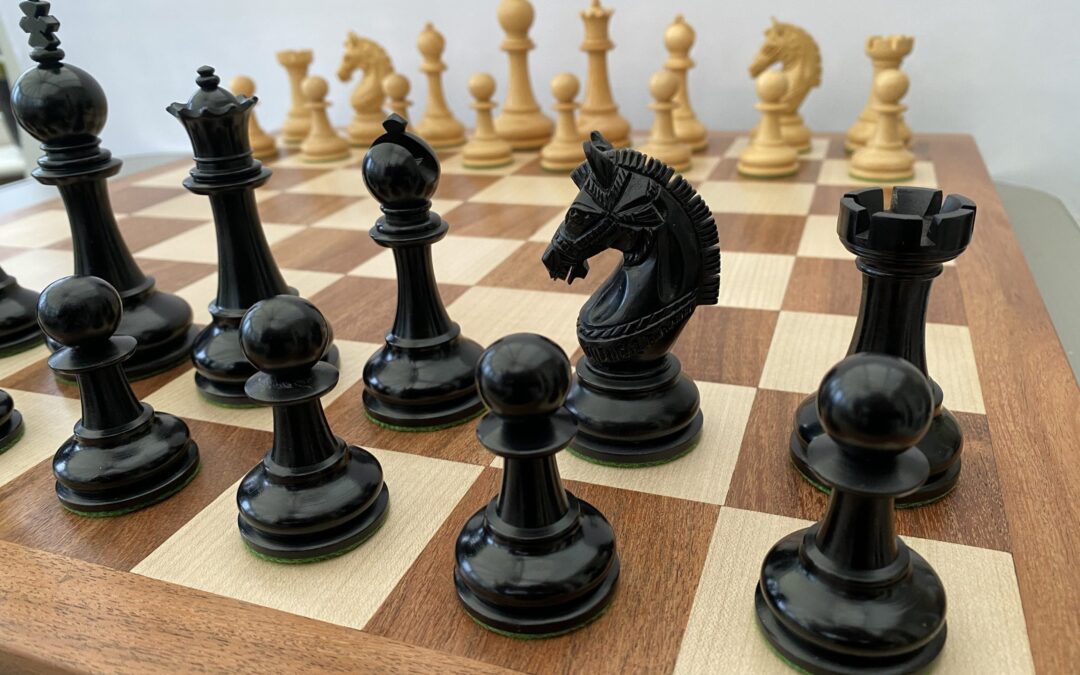
Chess is much more than a board game played between two opponents. For children, learning chess can become an engaging way to practice concentration, logical thinking, decision-making, patience, planning, and problem-solving. Every move requires a player to observe the position, consider possible outcomes, and make a decision based on the information available. Because of this, parents often look for structured Chess Classes in USA where children can learn the fundamentals of the game while gradually developing their playing skills in an encouraging environment. With the right guidance, chess lessons can be adapted to different ages and skill levels, allowing beginners to learn at a comfortable pace while more experienced students continue developing their strategic understanding.
The learning experience can be even more accessible through online instruction. Online Chess Classes in USA allow children to participate in lessons from home while interacting with instructors, practicing positions, solving chess puzzles, and playing guided games through digital platforms. At Premier Chess Academy, the focus is on making chess education structured, engaging, and suitable for students with different levels of experience. Instead of focusing only on winning individual games, effective chess education helps children understand why moves work, how to evaluate positions, how to learn from mistakes, and how to approach challenges with a thoughtful mindset. These skills can make chess a meaningful educational activity as well as an enjoyable game.
What Do Children Actually Learn in Chess Classes?
Children typically begin by learning how the chessboard works, how each piece moves, and what the basic objective of the game is. As their understanding develops, lessons can introduce concepts such as check, checkmate, captures, piece value, basic tactics, opening principles, endgame ideas, and strategic planning. The complexity of these lessons depends on the student’s age, experience, and ability to understand different chess concepts.
A structured chess program does not expect every child to learn everything at once. Instead, concepts are introduced progressively so that students can build a strong foundation before moving toward more advanced positions. This approach can make learning easier because children can connect new concepts with ideas they have already practiced. With regular lessons and guided practice, students can gradually become more comfortable analyzing positions independently.
Chess Teaches Children How to Think Before Acting
One of the fundamental lessons chess can teach is the importance of thinking before making a decision. In many everyday situations, children may naturally want to respond quickly, but chess creates an environment where a rushed move can immediately produce a disadvantage. Players learn to pause, observe the board, identify threats, and consider what might happen after their move.
This process encourages a habit of deliberate decision-making. A child may learn to ask questions such as: What is my opponent threatening? Is my piece safe? What happens if I move here? Can my opponent capture something? Are there better alternatives? These questions are central to chess and can make the learning process intellectually engaging. In Chess Classes in USA, instructors can use games and puzzles to help students practice this thought process repeatedly.
Concentration and Attention
Chess requires players to pay attention to a changing position for an extended period. A child who loses concentration may overlook an attacking piece, miss a tactical opportunity, or forget an important plan. Over time, regular chess practice can encourage children to maintain attention while working through a problem.
The ability to focus is particularly important during chess games because the board does not remain static. Each opponent’s move changes the position and may require the player to reconsider their plan. Instructors can teach students to remain attentive even when a position becomes difficult. This makes chess lessons more than a simple exercise in memorizing moves; they become an opportunity to practice sustained mental engagement.
Logical and Analytical Thinking
Chess is closely associated with logical reasoning because every move has consequences. Children learn to connect actions with possible results and compare different alternatives before choosing a move. A chess position can present several possibilities, and students need to evaluate them based on factors such as material, king safety, piece activity, threats, and positional advantages.
As students progress, they learn to analyze sequences rather than viewing each move separately. For example, a child may begin understanding that a particular move is useful because it creates a threat, forces a response, and opens another opportunity. This gradually develops a more structured approach to problem-solving. A well-designed Chess Class in USA can introduce these concepts through age-appropriate exercises, practical games, and guided analysis.
Problem-Solving Skills Through Chess Puzzles
Chess puzzles are an important part of many chess learning programs. A puzzle presents a specific position and asks the student to find the strongest continuation or solve a particular tactical problem. Unlike a complete game, a puzzle allows children to focus on one challenge at a time.
Students may encounter puzzles involving forks, pins, discovered attacks, checkmates, tactical combinations, or defensive resources. Solving these problems requires children to identify patterns and calculate possible moves. When they encounter similar situations during actual games, the patterns they have practiced can become easier to recognize.
This is one reason structured practice is useful. Children do not simply play games repeatedly; they also have opportunities to study positions and understand the ideas behind successful moves.
Planning and Strategic Thinking
As children move beyond the basic rules, chess classes introduce planning. A player needs to think about what they want to achieve in a position rather than simply making the next available move. They may need to improve a poorly placed piece, control important squares, protect the king, create a weakness, or prepare a tactical opportunity.
Strategic thinking can make chess especially interesting for children because there is not always one obvious answer. Students learn that a good move depends on the position and that successful planning requires understanding the relationship between different pieces. Instructors can help children develop this understanding by discussing plans rather than simply telling them which move to make.
Patience and Emotional Control
Chess can teach patience because strong positions often require players to wait for the right opportunity. A child may want to attack immediately, but an instructor can explain why preparation is sometimes necessary. Students gradually learn that not every position requires an immediate tactical move.
Chess also provides natural opportunities to learn from mistakes. A player may lose a piece, miss checkmate, or make a move that changes the outcome of the game. Rather than treating mistakes as failures, effective instruction can encourage students to review what happened and identify what they could do differently next time. This creates a learning-oriented approach to competition.
Learning From Winning and Losing
Every chess game produces a result, but the educational value does not have to depend entirely on whether the child wins. Reviewing both successful and unsuccessful games can help students understand their decision-making process. A win may reveal a useful tactical pattern, while a loss may identify a weakness that can be addressed through future practice.
This is an important part of a healthy chess-learning environment. Children can learn to view results as feedback. With instructor guidance, they can examine critical moments in their games and understand what happened. This process can encourage self-reflection and continuous improvement.
Memory and Pattern Recognition
Chess involves remembering rules, tactical patterns, opening ideas, common checkmate positions, and strategic concepts. However, effective chess education is not simply about asking children to memorize hundreds of moves. As students gain experience, they begin recognizing familiar structures and patterns on the board.
For example, a child may recognize a common tactical opportunity because they have solved a similar puzzle before. They may also identify a familiar endgame structure or understand that a particular piece placement creates a recurring threat. Pattern recognition allows players to process positions more efficiently and is developed through repeated exposure to meaningful chess situations.
Understanding Openings
Opening lessons are often an exciting part of chess education, particularly for children who enjoy learning different ways to begin a game. Students can learn basic opening principles such as developing pieces, controlling the center, protecting the king, and avoiding unnecessary repeated moves.
As children become more experienced, they can explore specific opening systems and understand the ideas behind them. Rather than memorizing long sequences without understanding, instructors can explain why certain moves are played and what plans may arise from the resulting position. This helps students use opening knowledge flexibly instead of depending entirely on memorization.
Developing Tactical Awareness
Tactics are short-term combinations that can produce an immediate advantage. Children learn tactical ideas such as forks, pins, skewers, discovered attacks, double attacks, and mating patterns. These concepts are often introduced through puzzles because puzzles allow students to focus on identifying tactical opportunities.
Tactical awareness becomes particularly useful during practical games. Once children recognize a pattern, they can start looking for similar opportunities in their own positions. In Top Chess Classes in USA, structured tactical training can form an important part of a student’s development because it connects theoretical concepts with practical decision-making.
Learning Endgame Concepts
Many beginners focus heavily on openings and attacks, but endgames are equally important for understanding chess. Students can learn how to checkmate with specific pieces, how to use the king actively, how to promote a pawn, and how to convert an advantage into a win.
Endgame lessons also teach precision. With fewer pieces on the board, individual moves can have a significant effect on the outcome. Children can learn concepts such as opposition, pawn promotion, king activity, and basic mating techniques. Understanding these positions can give students a more complete view of the game.
Communication and Learning Through Instructor Feedback
Chess instruction becomes more valuable when students understand why they made a mistake and how they can improve. An instructor can review a student’s game, ask questions, and encourage the child to explain their thinking. This creates an interactive learning experience rather than simply providing answers.
For example, instead of immediately telling a student that a move was inaccurate, an instructor may ask what the student expected the opponent to do next. This encourages the child to analyze their own thinking. Over time, students can become more independent in evaluating positions and identifying mistakes.

Benefits of Online Chess Classes in USA
Online learning has made chess education accessible to children who may not have a chess academy conveniently located nearby. Online Chess Classes in USA can provide structured lessons from home while using digital chessboards, puzzles, practice games, screen-based demonstrations, and instructor interaction.
Online classes can also offer flexibility for families with busy schedules. Students can participate from a familiar environment and continue practicing between lessons. However, the quality of online learning depends on the structure of the program, instructor engagement, lesson design, and opportunities for practical play. A well-organized online chess program should balance instruction with active participation rather than relying only on lectures.
Why Parents Choose Structured Chess Classes
Parents often choose structured chess lessons because learning independently can sometimes be confusing for beginners. A child may know how the pieces move but not understand how to create a plan, recognize threats, or evaluate a position. An instructor can provide a progression that introduces concepts in an appropriate sequence.
Structured Chess Classes in USA can also give children regular opportunities to practice. Consistency is important because chess skills develop through a combination of learning, playing, reviewing, and repeating concepts. With a planned curriculum, students can build upon earlier lessons rather than jumping randomly between advanced topics.
What Children Can Learn at Premier Chess Academy
At Premier Chess Academy, chess education can be approached as a progressive learning journey. Students can develop their understanding from basic rules and board awareness toward tactics, strategy, calculation, openings, endgames, and practical game analysis. The objective is to help children understand the reasoning behind their moves rather than simply memorize information.
The academy’s learning experience can be suitable for children who are discovering chess for the first time as well as students who already have experience and want to strengthen their skills. Through structured instruction, practice, puzzles, games, and feedback, students can work on both their chess knowledge and their approach to solving problems on the board.
How to Make Chess Learning More Effective for Children
Children generally benefit from consistent practice and an environment where mistakes are treated as part of learning. Parents can support their child’s progress by allowing them to play regularly, discussing games positively, and encouraging curiosity instead of placing excessive emphasis on winning.
A simple approach is to combine lessons with practical play and review. Children can study a concept, apply it in a game, review the critical moments, and then practice the same idea through puzzles. This cycle helps connect theoretical knowledge with real decision-making.
What Should Parents Look for in Chess Classes?
When selecting a chess program, parents can consider the instructor’s teaching experience, curriculum structure, class format, student interaction, practice opportunities, and suitability for the child’s current level. A program should make chess challenging without making the learning experience unnecessarily frustrating.
For online programs, parents can also consider how students interact with instructors, whether lessons include practical activities, and whether children receive meaningful feedback. The right program should encourage children to understand the game, ask questions, analyze positions, and gradually become more independent players.
Why Chess Can Be a Valuable Learning Activity
Chess provides children with a unique combination of intellectual challenge and practical decision-making. A single game can involve calculation, memory, planning, concentration, creativity, patience, and adaptation. Students encounter positions where their original plan may no longer work and need to adjust based on their opponent’s actions.
This makes chess an evolving learning environment. Children are not simply repeating the same exercise; they are responding to different positions and learning to make decisions under changing circumstances. With appropriate instruction, this can make chess both educational and enjoyable.
Final Thoughts
Children learn much more than chess moves in a well-structured chess program. They learn to observe carefully, think before acting, compare alternatives, recognize patterns, solve problems, create plans, respond to changing situations, and review their decisions. These are the core learning experiences that make chess valuable as an educational activity.
Whether families choose in-person instruction or Online Chess Classes in USA, the most important factor is a learning environment that combines structured teaching with practical experience and constructive feedback. Premier Chess Academy aims to make chess education accessible and engaging by helping students develop their understanding step by step. For children who are beginning their chess journey or looking to improve their existing skills, consistent instruction and purposeful practice can provide a strong foundation for continued growth in the game.
FAQs
1. What do children learn in chess classes?
Children learn chess fundamentals such as piece movement, check, checkmate, opening principles, tactics, strategy, calculation, and endgames. They also practice concentration, logical thinking, planning, problem-solving, patience, and decision-making through games and chess exercises.
2. Are Chess Classes in USA suitable for beginners?
Yes. Beginner-friendly chess programs can introduce children to the game step by step, starting with the board and piece movements before progressing to tactics, strategy, and practical games. Lessons can generally be adjusted according to a student’s age and existing chess knowledge.
3. Are Online Chess Classes in USA effective for children?
Online chess classes can be effective when they provide interactive instruction, practical games, puzzles, feedback, and a structured curriculum. Digital chessboards and online practice tools can allow students to participate actively rather than simply watching a lesson.
4. What age can children start learning chess?
Children can begin learning chess when they are able to understand basic instructions, recognize the pieces, and remain engaged with a structured activity. The appropriate teaching style can vary depending on the child’s age, attention span, and previous exposure to games.
5. How does Premier Chess Academy help children learn chess?
Premier Chess Academy provides structured chess learning focused on building understanding progressively. Depending on the student’s level, lessons can cover fundamentals, tactics, strategy, openings, endgames, puzzles, practical games, and game analysis, helping children develop their chess knowledge through guided practice.
Recent Comments