
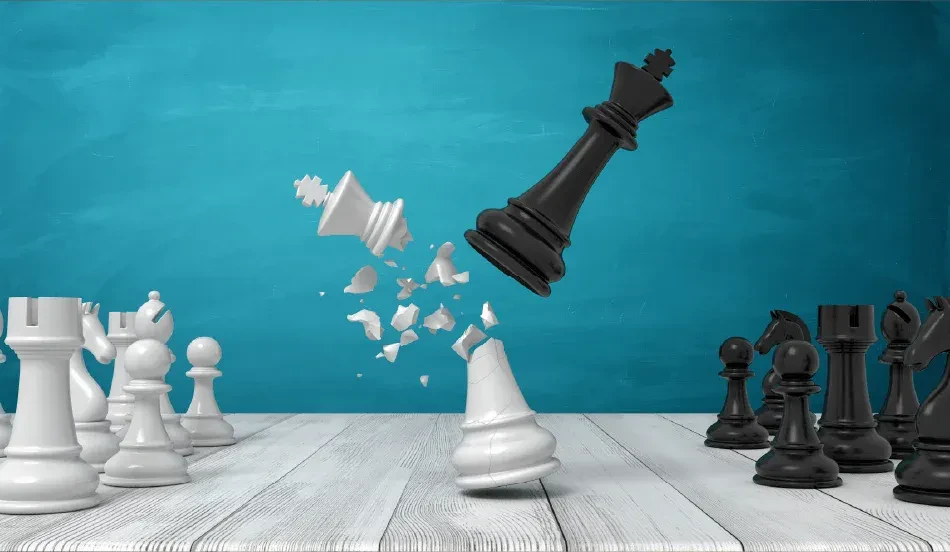
Competitive chess is an exciting yet demanding journey that tests not only your knowledge of the game but also your patience, discipline, and decision-making under pressure. Many beginners step into their first tournament with enthusiasm, but without proper guidance, they often repeat common mistakes that hinder their performance. Understanding these mistakes early can significantly improve your chances of success and help you grow faster as a chess player.
At Premier Chess Academy, we specialize in guiding beginners and intermediate players through structured training, including Chess Tournament preparation, Online Chess Classes, Chess Academy programs, and Online Chess Academy coaching. This detailed guide highlights the most common mistakes beginners make in tournament chess and how to avoid them with practical strategies.
1. Lack of Proper Opening Preparation
Many beginners underestimate the importance of opening preparation and step into a Chess Tournament without a structured plan. Instead of following proven opening systems, they often rely on random or instinctive moves, which may work in casual games but fail in competitive settings. The opening phase is crucial because it lays the foundation for the entire game. If you start with a weak or uncoordinated position, it becomes extremely difficult to recover later, especially against experienced opponents who know how to capitalize on early mistakes.
A strong opening is not about memorizing long sequences of moves but about understanding core principles such as controlling the center, developing pieces efficiently, and ensuring king safety. Beginners who ignore these principles often bring their queen out too early, move the same piece multiple times unnecessarily, or neglect development. These mistakes allow opponents to gain tempo and dominate the board. At Premier Chess Academy, our Online Chess Classes focus on building a deep understanding of opening ideas rather than rote memorization. We guide students to choose a few reliable openings and master the concepts behind them, helping them play confidently in any situation.
Another common issue is switching openings frequently without mastering any of them. This creates confusion and inconsistency in tournament play. Instead, beginners should stick to a limited repertoire and gradually expand it as they improve. Practicing openings through real games and analyzing them afterward is also essential for long-term growth. Our Online Chess Academy ensures that students get practical exposure along with theoretical knowledge, enabling them to apply what they learn effectively during tournaments.
Key Points:
• Learn 2–3 openings for both white and black
• Focus on principles like center control and development
• Avoid early queen attacks and unnecessary moves
• Practice openings through real games and analysis
2. Ignoring Time Management
Time management is one of the most critical yet overlooked aspects of competitive chess. In a Chess Tournament, every player is given a fixed amount of time, and how you use that time can determine the outcome of the game. Beginners often fall into the trap of spending too much time on simple opening moves, leaving themselves with very little time for complex middle and endgame decisions. This imbalance leads to rushed thinking, panic, and ultimately, costly mistakes.
On the other hand, some players move too quickly without properly analyzing the position, which results in blunders that could have been easily avoided. Finding the right balance between speed and accuracy is essential. Effective time management means knowing when to think deeply and when to rely on intuition. For example, in familiar opening positions, you should play confidently and save time for critical moments later in the game.
At Premier Chess Academy, our Online Chess Academy training programs emphasize practical time management techniques. Students are trained using timed practice games, allowing them to experience real tournament pressure. They learn how to allocate time wisely across different phases of the game and how to remain calm under time pressure. Developing this skill not only improves performance but also boosts confidence during competitive matches.
Another important aspect is handling time pressure situations. Many beginners panic when their clock is running low, leading to impulsive decisions. With proper training and practice, players can learn to stay composed and make quick yet effective moves even in critical situations. This is a key focus area in our Online Chess Classes, ensuring that students are well-prepared for real tournament scenarios.
Key Points:
• Don’t overthink during the opening phase
• Save more time for middle and endgame decisions
• Practice regularly with a chess clock
• Stay calm and avoid panic under time pressure
3. Moving Pieces Without a Plan
One of the most common mistakes beginners make is playing moves without a clear plan or strategy. Instead of thinking ahead and building a cohesive position, they react randomly to their opponent’s moves. This lack of direction results in poor coordination between pieces and often leads to weak positions that are easy to exploit.
Chess is not just about making individual moves; it is about creating a long-term plan and executing it step by step. Every move should have a purpose, whether it is improving a piece, controlling a key square, or preparing for an attack. Beginners who fail to think strategically often make unnecessary moves that do not contribute to their position. This wastes valuable time and allows the opponent to take control of the game.
At Premier Chess Academy, we train students to develop strategic thinking through our structured Online Chess Classes. Players are taught to ask critical questions before every move: What is my plan? What is my opponent trying to do? How can I improve my position? This approach helps in building a logical and disciplined thought process, which is essential for success in competitive chess.
Another issue is the lack of piece coordination. Beginners often move pieces individually without considering how they work together. Strong players, on the other hand, coordinate their pieces to support each other and create powerful attacks. Learning how to harmonize your pieces is a key skill that we emphasize in our Online Chess Academy, helping students transition from random play to structured strategy.
Key Points:
• Always play with a clear plan or objective
• Improve coordination between your pieces
• Think before every move and avoid impulsive decisions
• Avoid unnecessary or purposeless moves
4. Overlooking Opponent’s Threats
A major reason beginners lose games is that they focus entirely on their own plans and ignore their opponent’s ideas. Chess is a two-player game, and every move your opponent makes carries a potential threat. Failing to recognize these threats can lead to simple yet devastating mistakes, such as losing pieces, falling into traps, or getting checkmated unexpectedly.
Many beginners get excited about their own attacking ideas and forget to check whether their opponent has a counterattack. This tunnel vision often results in blunders that could have been easily avoided with a moment of careful observation. Developing defensive awareness is just as important as learning how to attack.
At Premier Chess Academy, our Chess Academy training programs place a strong emphasis on understanding the opponent’s perspective. Students are taught to analyze the board from both sides before making a move. A simple habit like asking, What is my opponent threatening? can significantly reduce mistakes and improve overall gameplay.
Practicing tactical puzzles is another effective way to enhance this skill. These puzzles train the brain to recognize patterns such as forks, pins, and skewers, which are common in tournament games. Our Online Chess Classes include regular tactical training sessions to help students sharpen their calculation and awareness skills.
Staying alert throughout the game is also crucial. Even a single moment of carelessness can change the outcome of a match. By developing the habit of constant vigilance, players can avoid unnecessary losses and maintain control over the game.
Key Points:
• Always analyze your opponent’s threats before moving
• Practice tactical puzzles regularly
• Avoid careless mistakes and blunders
• Stay focused and alert throughout the game
5. Weak Middle Game Strategy
The middle game is often considered the most complex phase of chess, where strategies are executed and battles are fought. Unfortunately, many beginners struggle in this phase due to a lack of planning and understanding. After the opening, they are unsure of what to do next and end up making random moves, which leads to weak positions and missed opportunities.
A strong middle game strategy involves identifying weaknesses in the opponent’s position, improving your piece placement, and creating attacking or defensive plans. Beginners often fail to recognize important elements such as pawn structure, open files, and weak squares. Without this understanding, they are unable to create effective strategies or respond to their opponent’s plans.
At Premier Chess Academy, our Online Chess Classes focus heavily on middle game concepts. Students learn how to evaluate positions, create plans based on pawn structures, and use their pieces effectively. This structured approach helps players transition smoothly from the opening to the middle game and maintain control over the board.
Piece activity is another critical factor. Beginners often leave their pieces undeveloped or placed on passive squares, which limits their effectiveness. Strong players, on the other hand, actively improve their pieces and coordinate them for maximum impact. Our Online Chess Academy training ensures that students understand how to activate their pieces and use them efficiently.
Creating attacking opportunities is also an essential skill in the middle game. This involves identifying weaknesses in the opponent’s king position and launching calculated attacks. At the same time, players must remain cautious and avoid overextending their position. Balancing attack and defense is key to success in this phase.
Key Points:
• Identify weak squares and targets in the opponent’s position
• Activate all pieces and improve their placement
• Create attacking opportunities while maintaining balance
• Control open files and important diagonals
6. Poor Endgame Knowledge
Many beginners tend to ignore the endgame phase, assuming that most games will be decided earlier in the opening or middle game. However, in real Chess Tournament situations, a large number of games reach the endgame, where even a small advantage can determine the final result. Players who lack endgame knowledge often fail to convert winning positions into victories or, worse, lose drawn positions due to simple mistakes.
The endgame is fundamentally different from other phases of chess. It requires precise calculation, deep understanding, and patience. Concepts like king activity, opposition, pawn promotion, and zugzwang play a crucial role. Beginners who are unfamiliar with these ideas often make passive moves, keep their king inactive, or push pawns at the wrong time. These errors can completely change the outcome of the game.

At Premier Chess Academy, our Online Chess Academy ensures that students build a strong foundation in endgame principles. We focus on teaching essential techniques such as basic checkmates (king and queen vs king, king and rook vs king), pawn endings, and the importance of activating the king. Through structured Online Chess Classes, players learn how to convert advantages into wins and defend difficult positions effectively.
Another key aspect of endgame mastery is practice. Unlike openings, which can sometimes be memorized, endgames require practical understanding and repetition. By regularly solving endgame scenarios and analyzing real-game positions, players develop confidence and precision. This is why our Chess Academy integrates endgame training into every stage of learning, ensuring well-rounded development.
Key Points:
• Learn basic checkmates and essential endgame techniques
• Activate your king and use it as a strong piece
• Understand pawn endings and promotion strategies
• Practice endgame scenarios regularly
7. Playing Too Fast or Too Slow
Maintaining the right pace in a Chess Tournament is a skill that many beginners struggle to develop. Some players move too quickly, relying on instinct rather than calculation, which often leads to avoidable blunders. Others spend excessive time analyzing positions, leaving themselves with very little time for the later stages of the game. Both extremes can negatively impact performance.
Playing too fast usually results in impulsive decisions. Beginners may overlook simple tactics, miss opponent threats, or fail to calculate variations properly. On the other hand, playing too slowly creates unnecessary pressure as the clock ticks down. When time becomes scarce, even simple decisions become difficult, and players are more likely to panic and make mistakes.
At Premier Chess Academy, we train students through structured Online Chess Classes to develop a balanced approach. The goal is to think efficiently—spending time on critical positions while playing confidently in familiar situations. This balance allows players to maintain control over both the board and the clock.
Another important aspect is adapting your speed based on the game situation. For example, during the opening phase, you can play relatively quickly if you are familiar with the position. However, in complex middle game situations, it is important to slow down and calculate carefully. Our Online Chess Academy teaches players how to recognize these moments and adjust their pace accordingly.
Consistency is key. Developing a steady rhythm helps players stay focused and avoid unnecessary time trouble. With regular practice and guided training, beginners can learn to manage their pace effectively and perform confidently under pressure.
Key Points:
• Maintain a consistent and balanced playing speed
• Avoid impulsive moves and rushed decisions
• Use time wisely, especially in critical positions
• Stay calm and composed under pressure
8. Lack of Post-Game Analysis
One of the biggest mistakes beginners make is not analyzing their games after they finish. Many players simply move on to the next match without reviewing what went wrong or what they could have done better. This habit significantly slows down improvement because mistakes are repeated rather than corrected.
Post-game analysis is one of the most powerful learning tools in chess. By reviewing your games, you can identify patterns in your mistakes, such as poor opening choices, missed tactics, or weak endgame play. This self-awareness helps you focus on specific areas that need improvement.
At Premier Chess Academy, our Chess Academy strongly emphasizes the importance of analyzing every game. Through our Online Chess Classes, students are guided on how to review their games effectively. This includes checking critical moments, understanding missed opportunities, and learning better alternatives.
Using chess engines can also be helpful, but it should be done wisely. Beginners often rely too heavily on engine suggestions without understanding the reasoning behind them. At our Online Chess Academy, we teach students how to use engines as a learning tool rather than a shortcut, ensuring they truly understand the concepts.
Another effective method is discussing games with coaches or peers. This provides new perspectives and insights that you might have missed on your own. Regular analysis not only improves your skills but also builds confidence as you see your progress over time.
Key Points:
• Analyze every game to identify mistakes
• Focus on learning from both wins and losses
• Use chess engines wisely and understand the ideas
• Review critical positions and missed opportunities
9. Emotional Decision Making
Chess is not just a game of logic; it is also a test of emotional control. Beginners often struggle to manage their emotions during a Chess Tournament, which can negatively affect their decision-making. Feelings like frustration after a mistake, excitement during an attack, or fear of losing can lead to impulsive and irrational moves.
For example, after making a blunder, many players lose confidence and start playing passively, even if the position is still playable. Others may become overly aggressive in an attempt to recover quickly, which often makes the situation worse. Emotional reactions can cloud judgment and prevent players from thinking clearly.
At Premier Chess Academy, we understand the importance of mental discipline. Our structured Online Chess Classes include techniques to help players stay calm and focused throughout the game. Students are trained to treat every position objectively, regardless of previous mistakes.
One effective strategy is to focus only on the current position rather than dwelling on past errors. Chess is a dynamic game, and even after a mistake, there are often opportunities to recover. Learning to stay composed and continue fighting is a key skill for long-term success.
Mindfulness and concentration exercises can also help improve emotional control. By practicing these techniques, players can develop a stable mindset and handle pressure more effectively. Our Online Chess Academy ensures that students are not only technically strong but also mentally resilient.
Key Points:
• Stay calm and composed during games
• Avoid emotional reactions to mistakes
• Focus on the current position, not past errors
• Practice mindfulness and mental discipline
10. Lack of Consistent Practice
Consistency is one of the most important factors in improving chess skills, yet many beginners struggle with maintaining a regular practice routine. They may play a few games occasionally but do not follow a structured learning plan. This irregular approach leads to slow progress and lack of confidence in tournament situations.
Chess improvement requires continuous effort and dedication. Just like any other skill, it develops over time through regular practice and learning. Beginners who practice inconsistently often forget concepts, struggle with decision-making, and fail to build strong fundamentals.
At Premier Chess Academy, our Online Chess Academy provides structured training programs designed to ensure consistent progress. Through scheduled Online Chess Classes, students follow a step-by-step learning path that covers all aspects of the game, from openings to endgames.
Daily practice is essential for improvement. This includes playing games, solving puzzles, studying positions, and analyzing past performances. Even short but regular practice sessions can lead to significant improvement over time. Our Chess Academy encourages students to develop a disciplined routine that fits their schedule.
Another important aspect is setting realistic goals. Beginners often expect quick results and become discouraged when progress seems slow. With consistent effort and the right guidance, improvement becomes steady and noticeable. Our Online Chess Academy helps students stay motivated and track their growth effectively.
Key Points:
• Practice daily to build strong fundamentals
• Solve puzzles to improve tactical skills
• Play regular games to gain experience
• Stay consistent and follow a structured routine
Why Choose Premier Chess Academy?
Choosing the right chess academy can make a significant difference in your growth as a competitive chess player. At Premier Chess Academy, we provide a holistic learning experience that caters to both beginners and advanced players. Our goal is not just to teach moves, but to help students develop a deep understanding of the game, including strategic thinking, tactical awareness, and mental discipline, all of which are crucial for success in tournaments.
Our Online Chess Classes are carefully designed to cover every aspect of chess, from opening principles to middle game strategies and endgame techniques. Beginners learn strong fundamentals that serve as a foundation for long-term improvement, while advanced players refine their skills to compete at higher levels. We also offer specialized Chess Tournament preparation modules, where students practice real tournament scenarios, learn time management, and receive guidance on handling pressure situations effectively.
At Premier Chess Academy, every student receives personalized attention. Our Online Chess Academy programs include one-on-one coaching, feedback on games, and tailored study plans that focus on individual strengths and weaknesses. This structured approach ensures that learners make consistent progress while gaining confidence in their abilities.
Whether you are stepping into your first tournament or aiming to achieve a higher rating, Premier Chess Academy equips you with the knowledge, skills, and mindset needed to excel. Our combination of expert coaching, practical training, and strategic guidance makes us the ideal choice for anyone serious about improving their chess game.
Conclusion
Avoiding common mistakes in tournament chess is the first step toward becoming a successful player. By focusing on opening preparation, time management, strategy, and consistent practice, beginners can significantly improve their performance.
With expert guidance from Premier Chess Academy, players gain the skills and confidence needed to excel in Chess Tournament environments. Remember, every mistake is a learning opportunity—what matters is how you use it to grow.
Frequently Asked Questions (FAQs)
1. What is the most common mistake beginners make in chess tournaments?
The most common mistake beginners make is playing without a clear plan and ignoring their opponent’s threats. This lack of strategy often leads to early blunders and quick losses. Developing a structured approach and being aware of opponent moves can prevent such errors.
2. How can I improve my performance in a chess tournament?
Improvement comes from consistent practice, analyzing your past games, and learning from mistakes. Taking structured Online Chess Classes from a trusted Chess Academy like Premier Chess Academy helps you build strong fundamentals and tournament readiness. Regular training ensures steady progress and better performance.
3. Are online chess classes effective for beginners?
Yes, Online Chess Academy programs are highly effective for beginners. They provide flexible learning, expert guidance, and structured training tailored to individual needs. Students can learn openings, strategies, tactics, and endgames at their own pace while receiving feedback from experienced coaches.
4. How important is time management in chess?
Time management is a critical skill in tournament chess. Poor control of the clock often leads to rushed moves, blunders, or missed opportunities. Learning to balance speed and calculation ensures more accurate and confident decision-making.
5. How can Premier Chess Academy help me?
Premier Chess Academy offers expert coaching, personalized feedback, and structured training programs. Our Online Chess Classes and tournament preparation modules help students improve rapidly, develop strategic thinking, and perform confidently in competitive games.
Recent Comments