

Competitive chess is more than just a game of strategy; it’s a platform where young players develop essential life skills such as resilience, focus, and emotional control. While talent and knowledge of the game are important, teaching your child how to handle stress and recover from setbacks is crucial for long-term success. Online chess classes and professional chess training can provide structured guidance to nurture these qualities.
At Premier Chess Academy, we believe in holistic development. Our programs go beyond learning openings and tactics—they focus on building mental strength, coping mechanisms, and the ability to stay calm under pressure. Whether through our chess school programs or online chess coaching, children gain both chess expertise and life skills that help them thrive both on and off the board.
Understanding Stress in Competitive Chess
Chess competitions can be intense, especially for young players. Facing strong opponents, managing time pressure, and coping with mistakes can trigger stress and anxiety. Chess training that incorporates resilience techniques helps children approach challenges with a balanced mindset.
Online chess classes provide a safe environment to practice these skills. Students can learn to recognize their stress triggers, focus on problem-solving, and maintain composure during high-stakes games, which is essential for both competitive and recreational play.
Building Resilience Through Chess
Resilience is the ability to bounce back from setbacks, and chess is a perfect arena to cultivate this skill. A move gone wrong or a lost game becomes a learning opportunity when children are taught to reflect, adapt, and improve. Chess school programs often include exercises that teach kids how to analyze mistakes without judgment.
By participating in structured chess training, children learn to develop patience, persistence, and self-confidence. These skills translate beyond the chessboard, helping young players tackle academic challenges, social situations, and other competitive activities with confidence.
Coping Strategies for Young Players
Effective coping strategies are essential for managing stress in chess. Techniques such as deep breathing, visualization, and positive self-talk can help children remain focused during critical moments. Online chess coaching often incorporates these methods into training sessions to prepare students for real-life competition scenarios.
Premier Chess Academy emphasizes mental preparedness alongside tactical and strategic skills. By learning to control emotions and maintain clarity, children become more resilient and better equipped to handle the pressures of competitive chess.
Role of a Chess Academy in Skill Development
A professional chess academy provides structure, mentorship, and support for young players. Beyond teaching openings and endgames, academies focus on mental conditioning, time management, and stress coping techniques.
At Premier Chess Academy, we offer personalized chess training programs tailored to each child’s strengths and areas of improvement. Our expert instructors guide students in applying resilience strategies during practice games, tournaments, and even online competitions.
Benefits of Online Chess Classes
Online chess classes offer flexibility, accessibility, and personalized instruction. Children can learn from the comfort of home while accessing high-quality coaching from experienced instructors. This mode of learning also allows for consistent practice, which is essential for building resilience and coping skills.
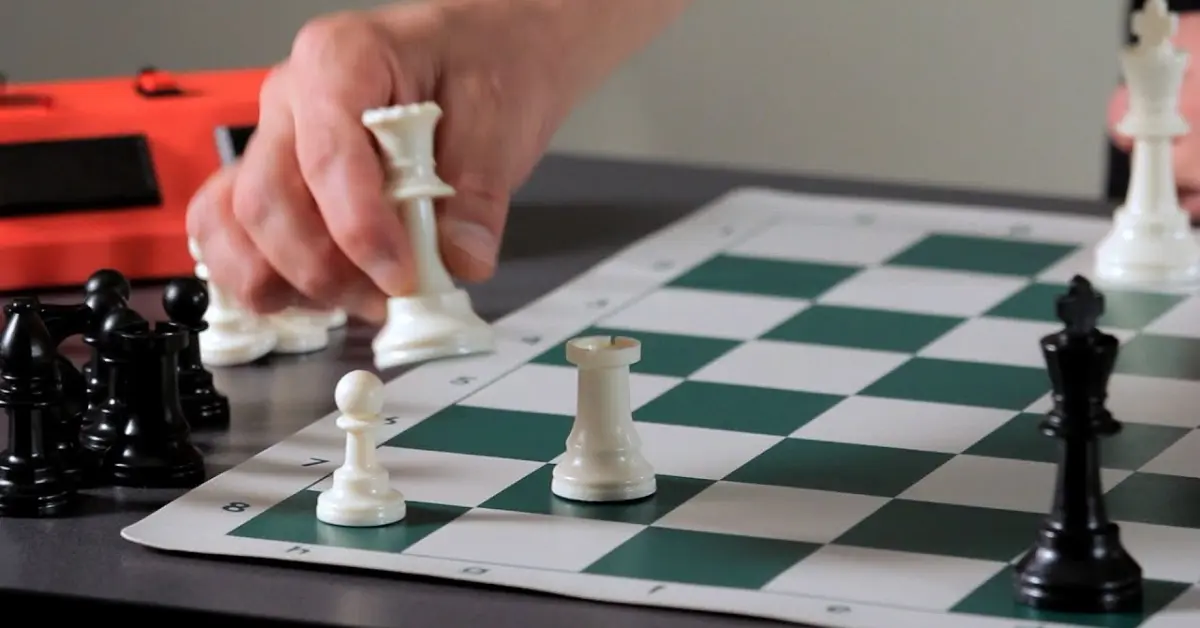
Through online chess coaching, students can participate in interactive sessions, receive immediate feedback, and engage in mental exercises designed to enhance focus and stress management. This ensures that every child develops both chess proficiency and emotional strength.
Mental Preparation for Tournaments
Preparing for a chess tournament involves more than memorizing strategies—it requires mental readiness. Chess school programs teach students how to handle pre-game anxiety, stay focused during long matches, and recover from losses gracefully.
Structured chess training sessions at Premier Chess Academy incorporate simulation exercises, timed games, and mindfulness techniques. This comprehensive approach ensures that children not only perform better but also enjoy the game without undue stress.
Encouraging a Growth Mindset
A growth mindset is critical for young chess players. Viewing challenges as opportunities for growth rather than threats allows children to persevere through setbacks. Chess academy programs instill this mindset by emphasizing learning and improvement over winning alone.
Through online chess classes, students are encouraged to analyze games, understand mistakes, and implement new strategies. This continuous learning process builds confidence, resilience, and long-term success both in chess and life.
Parental Support and Guidance
Parents play a vital role in helping children develop coping skills for competitive chess. Encouraging practice, praising effort over results, and modeling stress management behaviors can reinforce lessons learned in chess training.
Premier Chess Academy works closely with parents, providing guidance on how to support children’s emotional and strategic development. Our online chess coaching programs also include resources for parents to help their child navigate challenges effectively.
Conclusion
Teaching resilience and coping skills in competitive chess is essential for a child’s overall growth. With the right guidance from chess school programs, online chess classes, and structured chess training, children can manage stress, stay focused, and enjoy the game to the fullest.
At Premier Chess Academy, we are committed to nurturing both the mind and the chess skills of young players. Our online chess coaching and academy programs empower children to handle pressure, develop strategic thinking, and build lifelong resilience, making them confident both on the board and in life.
Recent Comments