
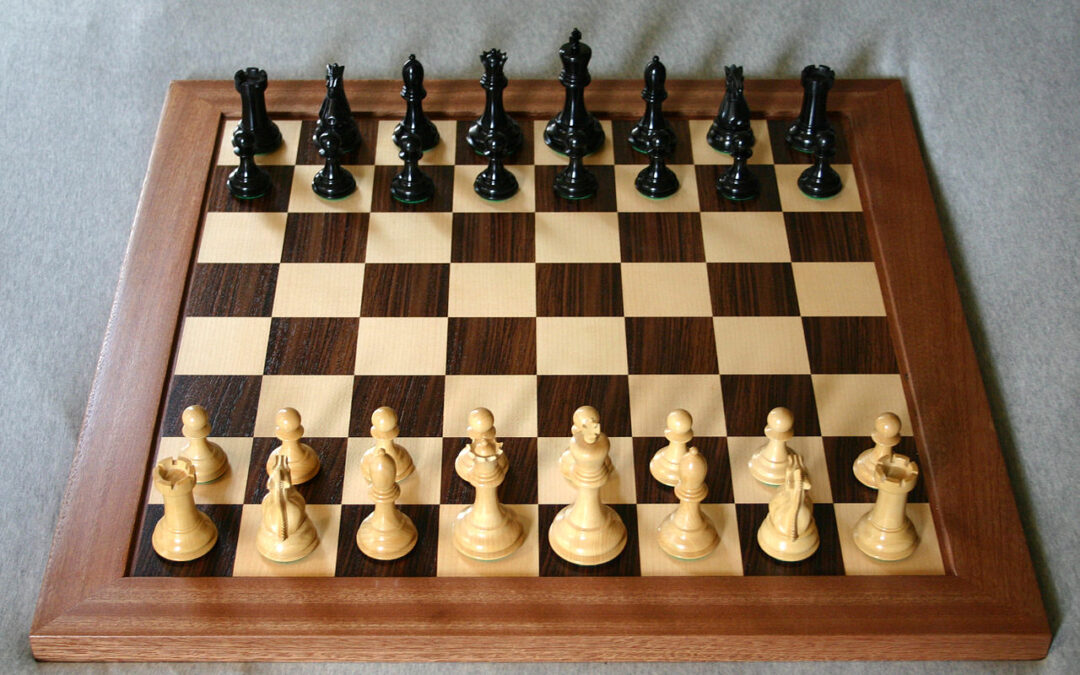
Chess is more than just a board game—it’s a powerful tool for developing a child’s cognitive abilities, problem-solving skills, patience, and strategic thinking. In today’s competitive world, parents are increasingly enrolling their children in chess classes to sharpen their mental agility and boost academic performance. However, with so many options available—ranging from online chess classes to in-person coaching—it can be challenging to decide which program truly fits your child’s needs.
Choosing the right chess coaching at an early stage can shape your child’s learning journey and long-term interest in the game. Whether your child is a complete beginner or already familiar with the basics, enrolling them in structured, professional guidance like Premier Chess Academy can make a significant difference. This guide will help you understand how to evaluate and select the best chess classes for kids with confidence.
Understand Your Child’s Skill Level and Interest
Before enrolling your child in any chess coaching program, it is essential to assess their current knowledge and interest in the game. Some children are absolute beginners, while others may already know basic rules and openings. Selecting chess classes for beginners when your child is more advanced—or vice versa—can impact motivation and learning speed.
A good academy, such as Premier Chess Academy, offers level-based training programs designed to suit different learning stages. This ensures your child learns at a comfortable pace while staying challenged and engaged. Matching the course level with your child’s ability helps build confidence and prevents frustration early on.
Key points to consider:
-
Is your child a beginner or intermediate player?
-
Does your child enjoy learning chess regularly?
-
Are the lessons interactive and age-appropriate?
Choose Professional Chess Classes with Certified Coaches
One of the most important factors in selecting chess coaching is the quality of instructors. Professional chess classes are conducted by certified, experienced coaches who understand not only the game but also child psychology and teaching methods. A skilled coach can simplify complex concepts, motivate young learners, and nurture a lifelong interest in chess.
Premier Chess Academy focuses on professional training methods, structured lesson plans, and experienced coaches who guide students step by step. Professional instructors also help children develop tournament skills, time management, and strategic thinking—skills that go far beyond casual play.
Why professional coaching matters:
-
Structured curriculum aligned with skill development
-
Personalized feedback and performance analysis
-
Exposure to competitive chess strategies and tournaments
Evaluate Online Chess Classes vs Offline Classes
In recent years, online chess classes have gained immense popularity due to convenience and accessibility. They allow children to learn from the comfort of home while interacting with expert coaches and peers from around the world. For busy parents, online learning offers flexibility without compromising on quality.

Premier Chess Academy provides engaging online chess sessions with live interaction, screen sharing, puzzles, and practice games. These classes are designed to keep kids attentive and involved while maintaining the discipline of structured learning. Offline classes, on the other hand, may suit children who prefer face-to-face interaction.
Things to compare:
-
Flexibility of class timings
-
Quality of online learning tools
-
Student-teacher interaction levels
Look for a Structured Curriculum and Learning Path
The best chess classes for kids follow a well-defined curriculum that progresses logically from fundamentals to advanced concepts. Random or unstructured teaching can confuse young learners and slow their progress. A clear learning path helps children understand openings, middlegames, endgames, tactics, and strategy in a systematic way.
At Premier Chess Academy, the curriculum is designed to ensure steady growth, combining theory, practical games, and problem-solving exercises. Regular assessments help track improvement and identify areas where a child may need additional support.
Curriculum should include:
-
Basics of chess rules and notation
-
Tactical patterns and strategies
-
Game analysis and practice matches
Ensure Classes Are Beginner-Friendly and Engaging
If your child is new to chess, choosing chess classes for beginners is crucial. Beginner-friendly classes focus on fundamentals without overwhelming children. They use visual aids, puzzles, stories, and interactive activities to make learning fun and memorable.
Premier Chess Academy emphasizes enjoyable learning experiences while building strong foundational skills. When children enjoy the learning process, they are more likely to stay committed and improve consistently over time.
Beginner-friendly features to look for:
-
Simple explanations and examples
-
Interactive practice sessions
-
Encouraging and patient instructors
Check Class Size and Individual Attention
Class size plays a vital role in how effectively your child learns. Smaller batches allow coaches to give personalized attention, correct mistakes early, and adapt lessons to individual learning styles. Large classes may limit interaction and reduce learning efficiency.
Premier Chess Academy maintains optimal class sizes to ensure every student receives adequate attention. This approach helps children feel valued, confident, and motivated to participate actively in sessions.
Benefits of small class sizes:
-
Better student engagement
-
Faster doubt resolution
-
Customized learning support
Read Reviews and Track Record of the Academy
Before finalizing any chess coaching program, it’s wise to research the academy’s reputation. Look for parent reviews, student testimonials, and success stories. A proven track record indicates consistent quality and reliable teaching standards.
Premier Chess Academy has earned trust through positive feedback, student progress, and tournament achievements. Transparency in teaching methods and communication with parents is another sign of a dependable chess academy.
What to research:
-
Student success stories
-
Parent feedback and testimonials
-
Academy’s years of experience
Consider Long-Term Growth and Tournament Exposure
The right chess classes should not only teach basics but also prepare children for long-term growth. Exposure to internal competitions, online tournaments, and performance analysis helps children develop confidence and competitive spirit.
Premier Chess Academy supports students with tournament preparation, strategic guidance, and post-game analysis, ensuring holistic development. These experiences help children apply what they learn and continuously improve their skills.
Final Thoughts: Making the Right Choice
Choosing the right chess classes for your child is an investment in their intellectual growth and personal development. From selecting professional chess classes to deciding between online chess classes and offline learning, every decision plays a role in shaping your child’s chess journey.
Premier Chess Academy stands out by offering structured, beginner-friendly, and professional training designed specifically for kids. By focusing on quality coaching, engaging curriculum, and long-term development, you can ensure your child receives the best possible start in chess—setting them up for both success and enjoyment in the game.
Recent Comments