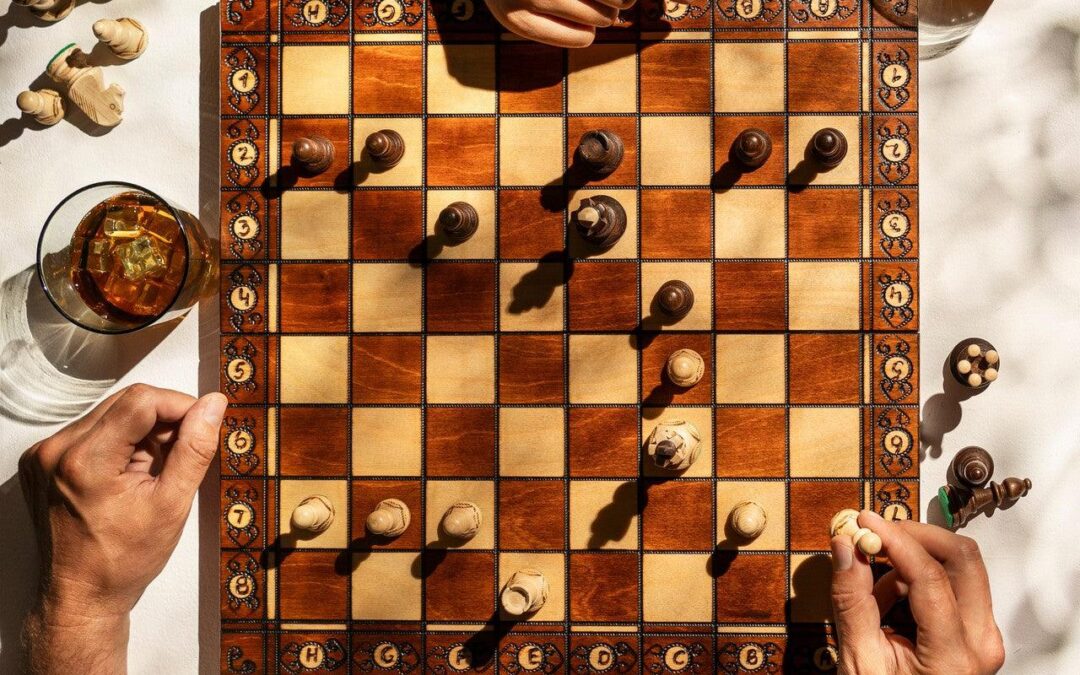
Chess is more than a board game; it is an activity that encourages children to think strategically, solve problems, make decisions, and develop patience. For young players, learning chess can be an exciting journey that begins with understanding the pieces and gradually progresses toward advanced strategies and competitive matches. Participating in chess tournaments adds another dimension to this learning experience because children get opportunities to apply their knowledge, face different opponents, manage time, and learn from real-game situations. However, preparing for competitive chess requires more than memorising openings or practising a few moves. It involves developing strong fundamentals, understanding game strategies, improving concentration, and building the confidence to perform under pressure.
Parents who want their children to develop their chess skills often look for structured learning environments where young players can receive guidance and practise consistently. A suitable Kids Chess Academy USA can help children understand chess concepts according to their age and playing level while encouraging independent thinking and sportsmanship. Premier Chess Academy focuses on the importance of structured chess learning and skill development for young players. Whether children are beginning their chess journey or preparing for their first tournament, consistent Chess Coaching for Kids can help them build the knowledge, discipline, and practical experience needed to approach competitive chess with confidence.
Why Competitive Chess Is Important for Young Players
Competitive chess gives children an opportunity to apply the skills they develop during regular practice. Playing against different opponents introduces new challenges because every player has a unique style, strategy, and approach to the game. A child may become familiar with certain openings during practice, but a tournament can present unexpected moves that require independent thinking and quick evaluation.
Participating in competitions also teaches children how to handle winning and losing in a healthy way. They learn that a successful chess player does not depend only on winning every game but also on understanding mistakes, analysing decisions, and improving after each experience. These lessons can encourage patience, resilience, and a positive attitude toward learning. A structured Chess Academy for Kids can help children develop these qualities while gradually introducing them to competitive playing environments.
Building Strong Chess Fundamentals Before Tournaments
A strong foundation is essential for every young chess player who wants to participate in competitive tournaments. Children should understand how every piece moves, how captures work, and how the rules of check, checkmate, castling, and promotion apply during a game. These concepts may seem basic, but understanding them correctly helps players avoid unnecessary mistakes when facing an opponent.
After learning the rules, children should focus on fundamental principles such as controlling the centre, developing pieces, protecting the king, and coordinating their forces. These principles provide a reliable starting point for making decisions during the opening and middle game. Chess Classes for Kids USA can introduce these concepts through age-appropriate lessons, practical examples, and guided games that help children understand not just what move to make but why a particular move is useful.
Developing Strategic Thinking and Decision-Making Skills
Competitive chess requires players to think beyond their immediate moves. Children need to understand how their decisions may affect the next several moves and how an opponent might respond. This ability develops through regular practice, tactical exercises, and analysis of different positions.
Young players can begin by asking themselves simple questions before making a move. Is a piece under attack? Can the opponent capture something? Does the move improve piece activity? Is the king safe? Developing this habit encourages children to evaluate positions rather than move pieces without a clear purpose.
As their understanding improves, players can explore strategic ideas such as controlling open files, creating pawn structures, improving weak pieces, and identifying long-term weaknesses. A Kids Chess Academy USA can support this development through structured lessons that gradually introduce more complex concepts according to each student’s learning level.
Learning Chess Openings the Right Way
Chess openings are important because they establish the position from which the rest of the game develops. However, young players preparing for tournaments should avoid trying to memorise too many opening variations without understanding their purpose. A better approach is to learn opening principles and practise a manageable selection of openings that match their playing style.
Children should understand the importance of developing knights and bishops, controlling central squares, protecting the king, and connecting the rooks. They can also learn a few familiar opening systems and study the typical plans associated with them. This helps them respond more confidently when opponents choose different moves.
Opening preparation should focus on understanding rather than memorisation alone. When children know why a move is played, they are better prepared to handle unfamiliar positions. Chess Coaching for Kids can introduce opening concepts through practical games and position-based discussions, helping students develop a flexible approach instead of depending entirely on memorised sequences.
Improving Tactical Skills Through Regular Practice
Tactics play an important role in competitive chess because they allow players to identify opportunities and avoid threats. Many tournament games are influenced by tactical patterns such as forks, pins, skewers, discovered attacks, double attacks, and checkmate combinations. Learning to recognise these patterns can help children improve their calculation and board awareness.
Tactical training should be consistent and suitable for the player’s current level. Beginners can start with simple checkmate patterns and basic piece-winning combinations. As they improve, they can solve more challenging puzzles that require calculating multiple moves and considering different opponent responses.
Children should also learn to look for their opponent’s threats before making a move. This simple habit can prevent many avoidable blunders. A Chess Academy for Kids can make tactical practice more engaging by combining puzzles, interactive exercises, and analysis of real game positions.
The Importance of Endgame Knowledge
Many young chess players spend considerable time studying openings and tactics but give less attention to endgames. However, endgame knowledge is an important part of tournament preparation because games can reach simplified positions where accurate technique becomes essential.
Children should begin by learning basic king and pawn endgames, checkmate patterns with major pieces, and the importance of king activity. They can gradually explore concepts such as opposition, passed pawns, rook endgames, and converting material advantages into a winning position.
Understanding endgames also helps players make better decisions earlier in the game. For example, knowing which pawn structures are favourable can influence exchanges in the middle game. Consistent practice and guided explanations can make these concepts easier to understand for young learners.
Developing Concentration and Time Management
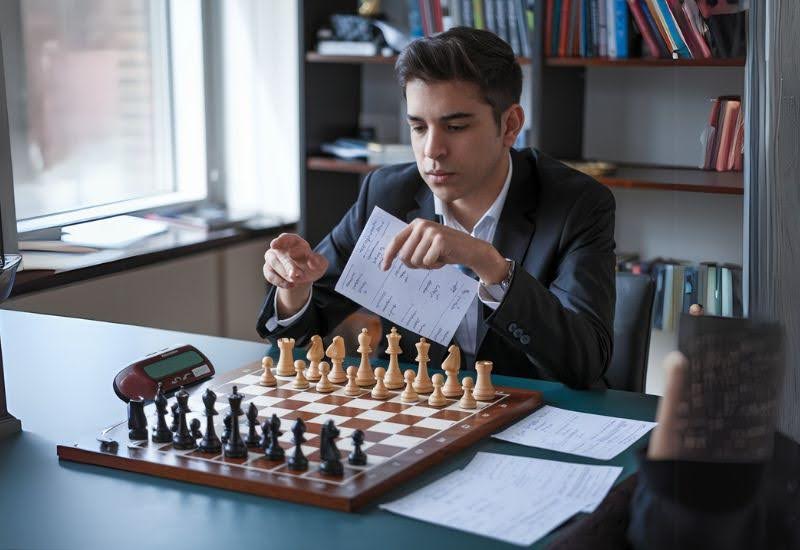
Tournament chess often requires children to remain focused for extended periods. Unlike casual games, competitive matches may involve time controls that require players to manage their thinking time carefully. Spending too much time on one move can create pressure later in the game, while moving too quickly may lead to mistakes.
Young players should practise thinking systematically before making important decisions. They can learn to identify candidate moves, calculate possible responses, evaluate the resulting position, and then select the most suitable option. With experience, this process becomes more organised and efficient.
Time management can be developed through practice games using clocks. Children should become familiar with the time controls of the tournaments they plan to enter. Chess Classes for Kids USA can incorporate timed games into learning sessions so that students become more comfortable making decisions within a competitive time limit.
Preparing Mentally for Chess Tournaments
Mental preparation is just as important as chess knowledge. Young players may experience excitement, nervousness, or disappointment during their first tournaments. These feelings are normal, particularly when children are playing unfamiliar opponents or competing in a formal environment.
Parents and coaches can help by encouraging children to focus on their decisions rather than the final result. Instead of putting pressure on them to win every match, the focus should remain on playing thoughtfully, following the rules, managing time, and learning from each game.
A positive approach to competition can help children develop confidence gradually. They should understand that losing a game does not mean they are poor players. Every match offers an opportunity to discover new ideas, identify mistakes, and improve future performance. A supportive Kids Chess Academy USA can help young players approach competition as a learning experience.
Learning from Previous Chess Games
Game analysis is one of the most useful ways to improve chess performance. After a tournament or practice match, children should review important positions and understand where their decisions helped or harmed their position. This process allows them to identify repeated mistakes and recognise patterns that need more attention.
For example, a player may notice that they frequently leave pieces undefended, overlook opponent threats, or move too quickly in complicated positions. Once these patterns become clear, training can focus on correcting them. Reviewing successful games is equally important because children can identify strong decisions and understand why certain strategies worked.
Coaches can guide students through post-game analysis by asking questions rather than simply providing the correct moves. This encourages independent thinking and helps children understand the reasoning behind different decisions. Over time, game analysis can become an important part of their tournament preparation routine.
Choosing the Right Chess Academy for Children
Selecting the right learning environment can make a difference in a child’s chess development. Parents looking for a Chess Academy for Kids should consider the teaching approach, learning structure, instructor guidance, practice opportunities, and suitability for their child’s current skill level.
A good learning programme should provide more than basic rule instruction. It should help students develop tactical awareness, strategic understanding, opening principles, endgame knowledge, and practical playing experience. Beginners may need additional support with fundamental concepts, while more experienced players may benefit from advanced position analysis and tournament-oriented preparation.
Parents should also look for a supportive environment where children can ask questions, learn from mistakes, and progress at a comfortable pace. The objective should be to build long-term chess understanding rather than focus only on short-term tournament results.
How Premier Chess Academy Supports Young Chess Players
Developing competitive chess skills requires structured learning, regular practice, and an environment that encourages children to improve through experience. Premier Chess Academy focuses on the importance of building chess knowledge through a progressive learning approach. Young players benefit from understanding fundamental concepts before moving toward more advanced strategies and competitive preparation.
For parents exploring a Kids Chess Academy USA, it is important to consider how lessons support different stages of a child’s development. A well-planned learning journey can include chess rules, opening principles, tactical patterns, strategic planning, endgame techniques, and practical game analysis. These areas help children develop a more complete understanding of the game.
Through Chess Coaching for Kids, young learners can work toward becoming more confident and thoughtful players. Consistent practice can help them understand tournament situations, recognise common mistakes, and develop the patience required to evaluate different positions. Premier Chess Academy encourages an approach where learning, improvement, and enjoyment remain important parts of a child’s chess journey.
How Parents Can Support Tournament Preparation at Home
Parents play an important role in helping children develop a positive relationship with chess. They do not need to be advanced players to support their child’s learning. Providing a regular practice schedule, encouraging curiosity, and showing interest in the child’s progress can make a meaningful difference.
A balanced routine may include chess puzzles, practice games, reviewing previous matches, and discussing interesting positions. Parents can also encourage children to participate in age-appropriate competitions when they feel ready. It is important to avoid making every practice session feel like an examination because children need time to explore the game and enjoy learning.
Healthy sleep, nutritious meals, physical activity, and sufficient breaks are also important during tournament preparation. Children should not be expected to practise chess for excessive hours. A consistent and balanced routine is more helpful than intense preparation that creates unnecessary pressure.
Common Mistakes Young Players Should Avoid in Tournaments
Even children with good chess knowledge can make mistakes during competitive games. Some players focus too much on attacking without checking whether their own pieces are protected. Others move quickly because they feel nervous or spend too much time calculating a single variation. Recognising these habits is an important part of improvement.
Young players should develop a simple thinking routine before every move. They can check their opponent’s threats, identify possible candidate moves, calculate important variations, and review whether their selected move leaves any pieces vulnerable. This process can reduce careless errors and encourage more disciplined thinking.
Another common mistake is becoming emotionally affected by an opponent’s unexpected move. Instead of reacting immediately, children should pause and evaluate the position calmly. Tournament experience, guided practice, and regular game analysis can help them develop this ability over time.
The Long-Term Benefits of Competitive Chess for Children
Chess can provide learning experiences that extend beyond the chessboard. Regular practice encourages children to think carefully, evaluate alternatives, recognise patterns, and make decisions based on available information. Tournament participation also introduces them to sportsmanship, patience, discipline, and respect for opponents.
These experiences may support skills that children can apply in other areas of learning and everyday activities. For example, reviewing a chess game teaches them to reflect on decisions, while preparing for a competition encourages planning and consistency. The process of improving after a difficult game can also help children develop resilience.
Every child progresses at a different pace, and competitive achievement should not be the only measure of success. Enjoyment, curiosity, confidence, and a willingness to learn are equally important parts of a positive chess experience.
Conclusion
Preparing young chess players for competitive tournaments requires a combination of strong fundamentals, strategic understanding, tactical practice, endgame knowledge, concentration, and mental readiness. Children need opportunities to practise against different opponents, review their games, understand their mistakes, and gradually become comfortable with tournament conditions. A supportive learning environment can make this process more structured and enjoyable.
Parents looking for a Kids Chess Academy USA, a Chess Academy for Kids, or Chess Classes for Kids USA should focus on programmes that encourage long-term development and age-appropriate learning. With consistent Chess Coaching for Kids and regular practice, young players can build a stronger understanding of chess while developing patience, confidence, and sportsmanship. Premier Chess Academy supports the idea that competitive chess preparation should be a journey of continuous learning, thoughtful practice, and enjoyment of the game.
FAQs
1. How can children prepare for their first chess tournament?
Children can prepare by learning the rules, practising complete games, solving tactical puzzles, understanding basic openings and endgames, and becoming familiar with chess clocks. Reviewing practice games can also help them identify common mistakes.
2. At what age can children start learning competitive chess?
Children can begin learning chess at different ages depending on their interest and ability to understand the basic rules. Tournament participation should depend on their readiness, confidence, and familiarity with competitive game conditions.
3. Why is chess coaching important for kids?
Chess coaching can help children understand strategies, recognise tactical patterns, improve decision-making, and analyse their games. Structured guidance also helps learners progress from basic concepts toward more advanced positions.
4. What should parents look for in a Chess Academy for Kids?
Parents should consider teaching methods, instructor guidance, learning levels, practice opportunities, game analysis, and the academy’s approach to tournament preparation. A supportive environment is important for long-term learning.
5. How often should young players practise chess?
A consistent schedule is generally more useful than occasional long practice sessions. Children can combine short tactical exercises, guided lessons, and regular practice games according to their age, interest, and learning level.
6. Does playing chess tournaments help children improve?
Tournaments expose children to different playing styles and competitive situations. They provide opportunities to practise decision-making, manage time, learn sportsmanship, and identify areas that need improvement.
7. What are the most important skills for competitive chess?
Important skills include understanding chess fundamentals, tactical calculation, strategic planning, opening knowledge, endgame technique, concentration, time management, and the ability to learn from previous games.
Recent Comments